Disposable Dust Mask (Cup Type)
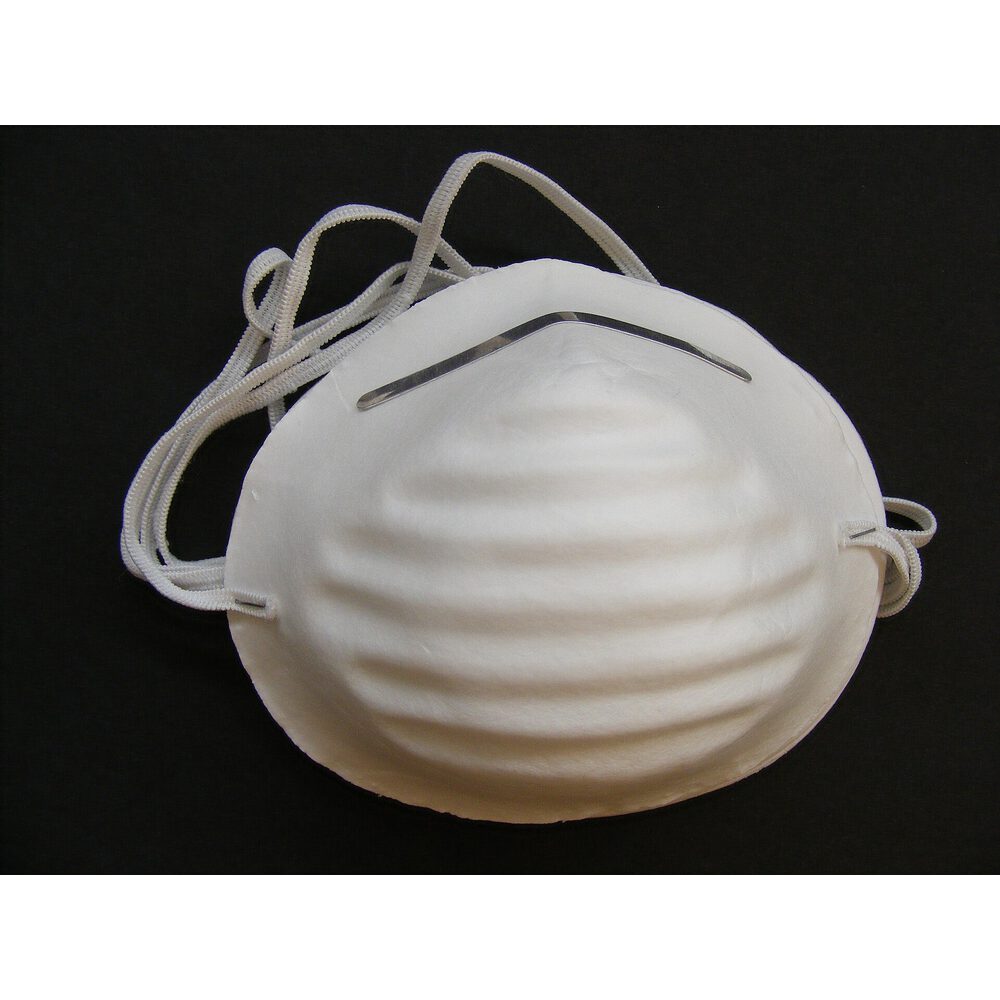
White moulded cup-shaped disposable dust mask with elastic strap and metal nose clip, for nuisance dust during sweeping, sanding, packing and general site work.
| Option | Price | Availability | SKU |
|---|---|---|---|
| Pack of 10 | ৳100 | In stock | FSB-PB-DUSTMASK-PACK-OF-10 |
| Box of 50 | ৳420 | In stock | FSB-PB-DUSTMASK-BOX-OF-50 |
Delivery across Bangladesh. Cash on delivery available.
Delivery:
- Inside Dhaka: ৳60, about 2 days
- Outside Dhaka: ৳120, about 5 days
Payment methods: Cash on delivery, bKash, Credit / debit card, Cards, mobile banking and internet banking (SSLCommerz)
Specifications
- Product code
- FSB-PB-DUSTMASK
- Type
- Dust mask
- Type
- Disposable nuisance dust mask, cup shape
- Colour
- White
- Shell
- Moulded non-woven fibre
- Nose clip
- Adjustable metal strip
- Strap
- Elastic head strap
- Exhalation valve
- None
- Protection
- Coarse non-toxic dust only — no filtering class is claimed
- Reusable
- No — single use
- Pack Size
- 10 pcs, 50 pcs
- Color
- White
Description
A disposable dust mask is a light, moulded cup of non-woven fibre that covers the nose and mouth and catches coarse, non-toxic dust before you breathe it in. It is held on by an elastic strap and shaped to the nose with a soft metal clip. This is the plain white economy mask used all over Bangladesh for sweeping, sanding, packing and handling dusty goods.
What is it suitable for — and what is it not?
Suitable for nuisance dust: household and warehouse dust, sawdust from hand sanding, flour and grain dust, lint, garden and cleaning work.
Not suitable for:
- Fine hazardous dust such as silica from cutting concrete, brick or tile, asbestos, or metal fume from welding
- Spray paint, solvent vapours, gases or smoke
- Infection control in hospitals
For those jobs you need a rated respirator, not a simple dust mask.
Dust mask or rated respirator — how to choose
| Hazard | What to use |
|---|---|
| Coarse, non-toxic dust | Simple dust mask (this product) |
| Fine dust — cement, wood, cotton, grinding | Filtering facepiece marked FFP2 / N95 / KN95 |
| Very fine or toxic dust, heavy exposure | FFP3 mask or half-face respirator with P3 / P100 filters |
| Paint spray, solvent vapour, gases | Half-face or full-face respirator with the correct gas cartridges |
When you buy a mask for hazardous dust, look for the filtering class printed on the mask itself — FFP1, FFP2 or FFP3 with EN 149, or N95 with a NIOSH approval number. A mask with no class printed on it should be treated as a nuisance dust mask only.
How to wear it
- Hold the cup in your palm with the nose clip at the top.
- Place it over the nose and chin and pull the strap over the head.
- Press the metal clip with both hands to shape it to the bridge of the nose.
- Breathe out sharply: if air leaks around the edges, readjust the clip and strap.
When to replace it
Change the mask when it becomes damp, dirty, misshapen or hard to breathe through, and at least once a day in dusty work. Do not wash it.
Applications
- Sweeping and cleaning warehouses, godowns and shops
- Hand sanding, carpentry and furniture finishing
- Packing and handling flour, grain, spices and feed
- Garment cutting and sewing floors with lint
- Gardening and household cleaning
Recommended usage
Use for coarse, non-toxic nuisance dust only. Fit the mask over nose and chin, shape the nose clip with both hands and check for leaks. Replace it when damp, dirty or deformed and at least daily in dusty work.
Safety instructions
This mask does not protect against gases, vapours, paint spray, smoke, asbestos, silica or welding fume, and does not supply oxygen. It is not a medical mask. Leave the area and replace the mask if breathing becomes difficult or you feel dizzy. Facial hair under the edge prevents a seal.
Frequently asked questions
What is the difference between a dust mask and an N95 respirator?
A simple dust mask only stops coarse nuisance dust, while an N95, KN95 or FFP2 respirator is tested to filter at least about 94–95% of fine airborne particles and to seal against the face. If the dust is fine or harmful — cement, silica, cotton dust, grinding dust — choose the rated respirator.
Can a dust mask be used for spray painting?
No, a dust mask gives no protection against paint or solvent vapours. Spray painting needs a half-face or full-face respirator fitted with organic vapour cartridges, usually combined with a particulate pre-filter for the paint mist.
How long can one disposable dust mask be used?
A disposable dust mask is meant for one shift at most. Replace it sooner if it gets damp, visibly dirty, crushed or harder to breathe through.
Is this dust mask enough for cement and tile-cutting dust?
No, cutting or grinding concrete, brick and tile releases fine silica dust that a simple dust mask does not stop. Use a respirator marked FFP2 or FFP3 (or N95 / P100), and keep the dust down with water wherever possible.