Chemical Resistant Gloves (Rubber, Nitrile, PVC)
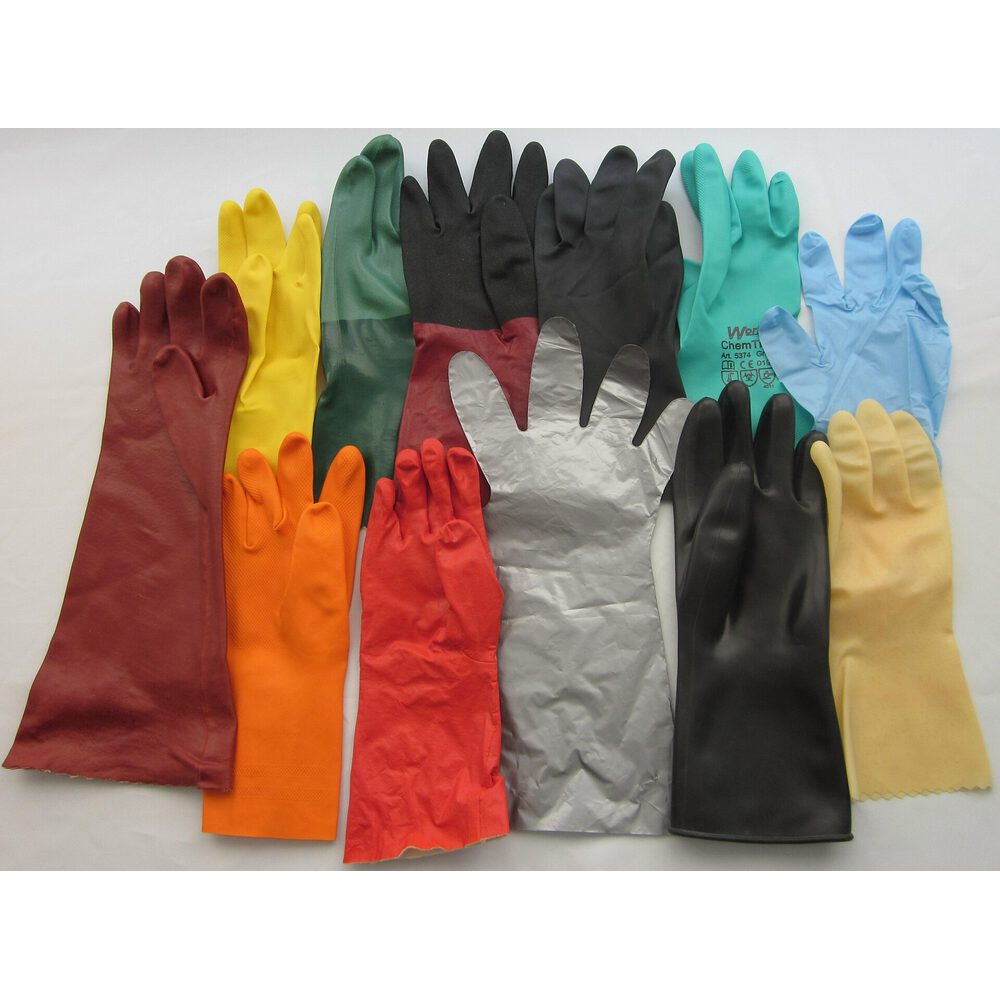
Reusable chemical resistant gauntlet gloves in natural rubber, nitrile, PVC and neoprene. For acids, alkalis, detergents, dyes and solvents in factories, laboratories and cleaning work.
| Option | Price | Availability | SKU |
|---|---|---|---|
| Natural rubber (latex), 30 cm | ৳160 | In stock | FSB-PA-GLV-CHEM-NATURAL-RUBBER-LATEX-30-CM |
| Nitrile, 33 cm | ৳280 | In stock | FSB-PA-GLV-CHEM-NITRILE-33-CM |
| PVC gauntlet, 40 cm | ৳320 | In stock | FSB-PA-GLV-CHEM-PVC-GAUNTLET-40-CM |
| Neoprene, 33 cm | ৳480 | In stock | FSB-PA-GLV-CHEM-NEOPRENE-33-CM |
Delivery across Bangladesh. Cash on delivery available.
Delivery:
- Inside Dhaka: ৳60, about 2 days
- Outside Dhaka: ৳120, about 5 days
Payment methods: Cash on delivery, bKash, Credit / debit card, Cards, mobile banking and internet banking (SSLCommerz)
Specifications
- Product code
- FSB-PA-GLV-CHEM
- Type
- Chemical-resistant gloves
- Type
- Reusable unsupported chemical resistant gauntlet glove
- Materials available
- Natural rubber latex, nitrile, PVC, neoprene
- Sizes
- Free size / L, depending on material
- Length
- Approximately 30–40 cm depending on material
- Grip
- Textured or embossed palm on most types
- Lining
- Flock-lined or unlined, depending on material
- Liquid proof
- Yes, when undamaged
- Marking to look for
- EN ISO 374 chemical protection pictogram and letter codes
- Material
- PVC, Neoprene, Natural Rubber, Nitrile
- Application
- Laboratory, Chemical Handling, Cleaning
Description
Chemical resistant gloves are liquid-proof gauntlet gloves made from a solid layer of rubber or plastic, long enough to cover the wrist and part of the forearm. They keep acids, alkalis, detergents, dyes, oils and solvents off the skin. No single material resists every chemical, so they are sold in several materials and you choose the one that suits the liquid you handle.
Which glove material for which chemical?
| Material | Good against | Poor against |
|---|---|---|
| Natural rubber (latex) | Water-based solutions, dilute acids and alkalis, detergents | Oils, fuels, most solvents |
| Nitrile | Oils, fuels, greases, many solvents, dilute acids and alkalis | Ketones such as acetone, strong oxidising acids |
| PVC | Acids, alkalis, salts, many water-based chemicals | Most organic solvents |
| Neoprene | Acids, alkalis, alcohols, oils — a broad all-rounder | Aromatic and chlorinated solvents |
This table is general guidance only. Always check the safety data sheet (SDS) of the chemical and the glove maker's resistance chart, because resistance changes with concentration, temperature and contact time.
What do "permeation" and "breakthrough time" mean?
A chemical can pass through glove material at the molecular level without any visible hole — this is permeation. The breakthrough time is how long that takes. Gloves sold for chemical protection are normally marked to EN ISO 374, with letters that show which test chemicals the glove resisted. A thicker glove generally gives a longer breakthrough time but less feel.
How do you use them safely?
- Check each glove for holes before use — trap air inside and squeeze.
- Fold the cuff back a little to stop liquid running down the arm when your hands are raised.
- Rinse the outside before taking the gloves off, and peel them off without touching the outside with bare skin.
- Dry them inside and out, away from sunlight.
Replace gloves that are swollen, sticky, stiff, cracked or discoloured: these are signs the chemical has attacked the material.
About the photo
The photo shows a range of chemical resistant gloves in different materials, lengths and colours. Colour varies by batch; select the material you need from the options.
Applications
- Textile dyeing, washing and chemical stores
- Laboratories and pharmaceutical plants
- Battery, electroplating and tannery work
- Industrial and hospital cleaning
- Pesticide mixing and spraying
- Paint, fuel and lubricant handling
Recommended usage
Match the glove material to the chemical using its safety data sheet, then choose a size that lets you grip without stretching the glove. Inspect for holes before each use, rinse the outside after work, and store the gloves dry and away from sunlight.
Safety instructions
No glove resists all chemicals — the wrong material can fail in minutes without visible damage. Replace gloves that are swollen, sticky, cracked or discoloured. Natural rubber gloves can cause latex allergy. These gloves are not for heat, flames, sharp edges or electrical work.
Frequently asked questions
Which gloves are best for handling acid?
For most dilute acids and alkalis, PVC, neoprene or natural rubber gauntlets are the usual choice. Concentrated or oxidising acids such as nitric acid need a material confirmed on the glove maker's chart, so always check the safety data sheet first.
Are nitrile gloves better than rubber gloves for chemicals?
Nitrile is better for oils, fuels, greases and many solvents, while natural rubber is better for water-based chemicals and gives more stretch and feel. Neither suits every chemical, so the choice depends on what you handle.
How long can chemical resistant gloves be used?
Reusable chemical gloves can be used until they show damage or chemical attack, or until the breakthrough time for your chemical has been reached. Replace them at once if they swell, crack, stiffen, turn sticky or leak.
Can I use household rubber gloves for industrial chemicals?
Household rubber gloves are thin natural rubber made for detergents and dishwashing, and they are not a safe choice for concentrated industrial chemicals or solvents. Use a thicker industrial glove in a material matched to the chemical.