Boiler Suit Coverall (Green)
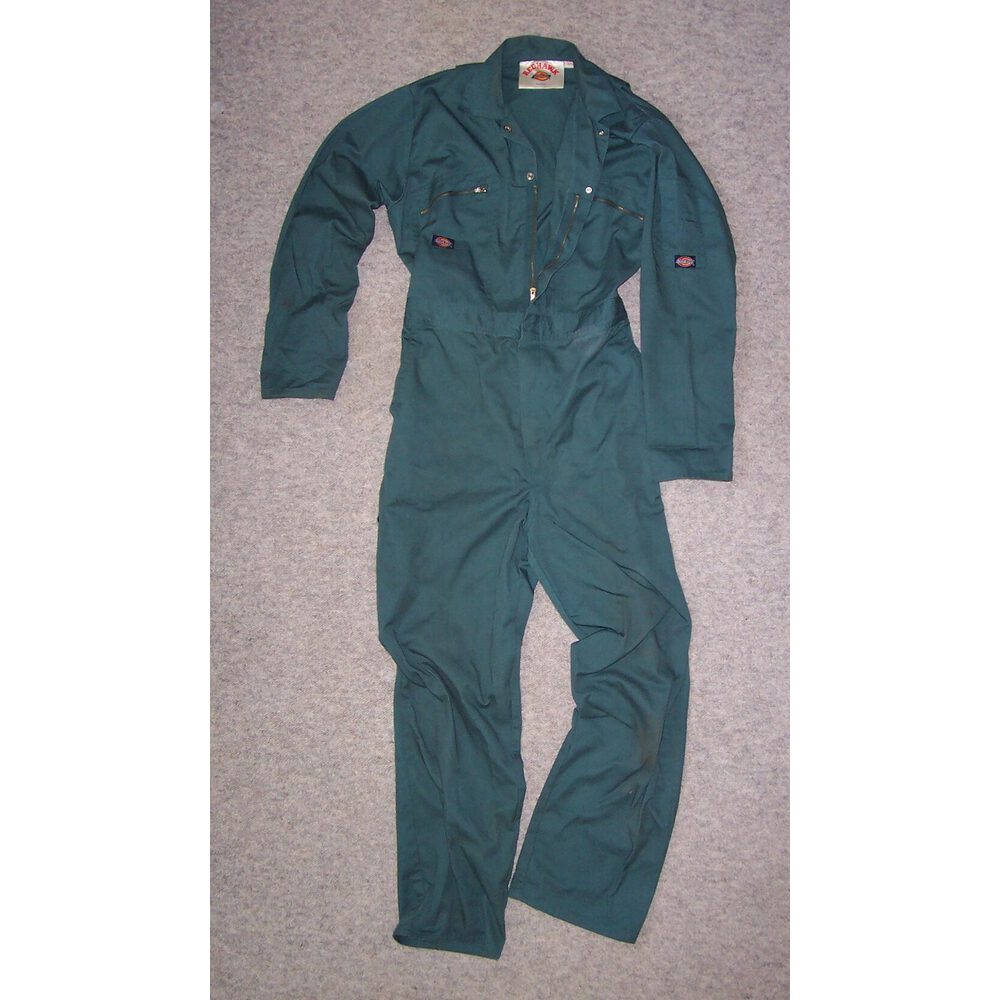
One-piece long-sleeve boiler suit in dark green poly-cotton twill with collar, front zip and chest pockets. Reusable workwear for mechanics, engineers and factory technicians.
| Option | Price | Availability | SKU |
|---|---|---|---|
| M | ৳1,150 | In stock | FSB-PB-BOILERSUIT-M |
| L | ৳1,150 | In stock | FSB-PB-BOILERSUIT-L |
| XL | ৳1,200 | In stock | FSB-PB-BOILERSUIT-XL |
| XXL | ৳1,250 | In stock | FSB-PB-BOILERSUIT-XXL |
Delivery across Bangladesh. Cash on delivery available.
Delivery:
- Inside Dhaka: ৳60, about 2 days
- Outside Dhaka: ৳120, about 5 days
Payment methods: Cash on delivery, bKash, Credit / debit card, Cards, mobile banking and internet banking (SSLCommerz)
Specifications
- Product code
- FSB-PB-BOILERSUIT
- Type
- Work coverall
- Type
- One-piece long-sleeve boiler suit (coverall)
- Colour
- Dark green
- Fabric
- Poly-cotton twill
- Collar
- Shirt-style collar
- Closure
- Front zip
- Pockets
- Chest pockets
- Sizes
- M, L, XL, XXL
- Reusable
- Yes — washable
- Flame resistance
- None claimed — general-purpose workwear
- Size
- M, XXL, XL, L
- Color
- Green
- Material
- Poly-cotton twill
Description
A boiler suit — also called a coverall or dungaree — is a loose one-piece work garment that covers the body, arms and legs and is worn alone or over light clothes. Because there is no gap at the waist, it keeps oil, grease, dust and swarf off the skin and has no loose shirt tail to catch in machinery. This suit is dark green with a shirt-style collar, long sleeves, a front zip and chest pockets.
Who wears a boiler suit?
- Vehicle, motorcycle and generator mechanics
- Marine engineers, ship crew and shipyard workers
- Boiler, power plant and utility operators
- Factory maintenance technicians and machine operators
- Oil, gas, LPG and fuel-depot staff (in flame-resistant fabric)
- Painters, pipe-fitters and construction tradesmen
What are the advantages over a shirt and trousers?
| Boiler suit | Shirt and trousers | |
|---|---|---|
| Coverage | Continuous from neck to ankle | Gap at the waist when bending or reaching |
| Snag risk | No tail or loose hem | Shirt tail and belt can catch |
| Dirt | Keeps own clothes clean underneath | Clothes get soiled |
| Putting on | One zip | Two garments |
| Identity | Easy to colour-code by team or contractor | Less uniform |
Which size should you choose?
Choose by chest and height, and take the larger size if you are between two — a boiler suit must let you squat and reach overhead without pulling at the shoulders or crotch.
| Size | Chest (approx.) | Height (approx.) |
|---|---|---|
| M | 96–102 cm | 160–170 cm |
| L | 102–108 cm | 168–176 cm |
| XL | 108–116 cm | 174–182 cm |
| XXL | 116–124 cm | 178–188 cm |
Is a normal boiler suit fire resistant?
No. Ordinary poly-cotton or cotton workwear burns, and polyester blends also melt. For welding, hot work, oil and gas sites or electrical arc-flash risk you need a suit made of flame-resistant fabric — look for markings such as EN ISO 11612 (heat and flame), EN ISO 11611 (welding) or NFPA 2112 (flash fire) on the label. This listing is a general-purpose poly-cotton suit and makes no flame-resistance claim.
Care
Machine or hand wash with detergent, close the zip before washing, and dry in the shade to keep the colour. Oil-soaked workwear is a fire hazard — wash it before wearing it again near heat.
Applications
- Automobile, motorcycle and generator workshops
- Ships, shipyards and marine engine rooms
- Boiler houses, power plants and utility rooms
- Factory maintenance and machine operation
- Pipe-fitting, painting and general construction trades
- Warehouse and logistics technicians
Recommended usage
Wear zipped up with the sleeves down and cuffs fastened when working near machinery, and choose a size that allows squatting and overhead reach. Wash regularly, especially after oil or grease contamination, and combine with safety shoes, gloves and other PPE the task requires.
Safety instructions
Not flame resistant — do not rely on this suit for welding, hot work, flash-fire or arc-flash protection. Keep sleeves and cuffs closed near rotating machinery and never wear a torn or loose suit there. Do not wear oil-soaked or solvent-soaked clothing near heat or sparks. Not a chemical-protective garment.
Frequently asked questions
What is the difference between a boiler suit and a coverall?
There is no real difference — "boiler suit" is the British term and "coverall" the American one for the same one-piece work garment with sleeves and legs. In Bangladesh the same item is also called a dungaree, although strictly a dungaree is a bib-and-brace overall without sleeves.
Can this boiler suit be used for welding?
No, a poly-cotton boiler suit is not suitable for welding. Sparks and spatter burn holes in it and the polyester content can melt on to the skin. Welders should wear flame-resistant cotton or leather clothing marked for welding use, with a leather apron and sleeves.
Which fabric is best for a boiler suit in hot weather?
A cotton-rich fabric is the most comfortable in Bangladesh's heat because it absorbs sweat and lets air through. Poly-cotton blends are more durable, dry faster and hold their colour better, so they are the usual compromise for daily workwear.
Can a company logo be added to a boiler suit?
Yes, a logo or name can be embroidered or printed on the chest or back of a boiler suit, and many companies also choose a colour for each department or contractor. Reflective tape can be sewn on for staff who work near vehicles.