ABC Dry Powder Fire Extinguisher
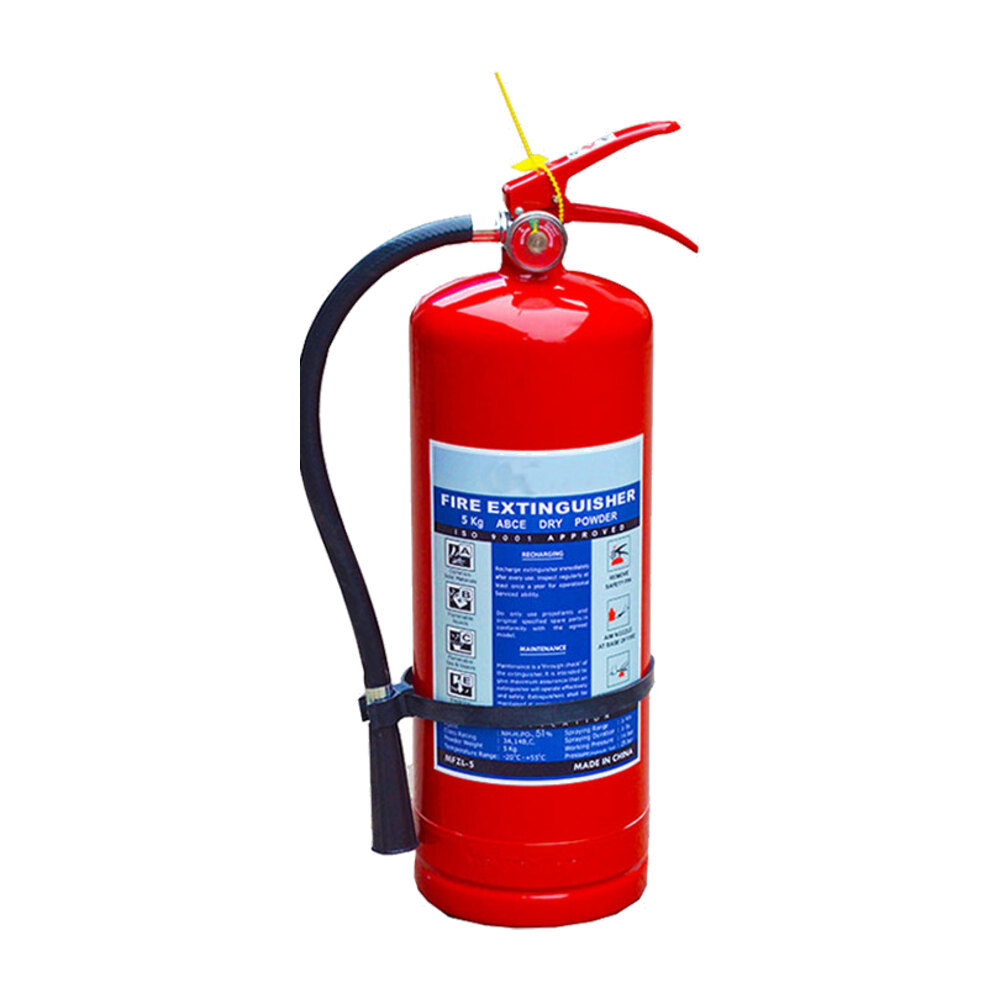
ABC dry powder fire extinguisher in 3 kg, 5 kg, 6 kg and 9 kg sizes with pressure gauge and discharge hose. One multi-purpose unit for offices, shops, factories and warehouses.
| Option | Price | Availability | SKU |
|---|---|---|---|
| 3 kg | ৳1,500 | In stock | FSB-FE-ABC-3-KG |
| 5 kg | ৳1,850 | In stock | FSB-FE-ABC-5-KG |
| 6 kg | ৳2,000 | In stock | FSB-FE-ABC-6-KG |
| 9 kg | ৳2,500 | In stock | FSB-FE-ABC-9-KG |
Delivery across Bangladesh. Cash on delivery available.
Delivery:
- Inside Dhaka: ৳60, about 2 days
- Outside Dhaka: ৳120, about 5 days
Payment methods: Cash on delivery, bKash, Credit / debit card, Cards, mobile banking and internet banking (SSLCommerz)
Specifications
- Product code
- FSB-FE-ABC
- Type
- Fire extinguisher
- Fire class
- Class A, B, C, live electrical
- Extinguishing agent
- ABC dry chemical powder (monoammonium phosphate based)
- Suitable for
- Class A solids, Class B flammable liquids, Class C flammable gases, live electrical equipment
- Not suitable for
- Cooking oil (Class F), burning metals (Class D)
- Available sizes
- 3 kg, 5 kg, 6 kg, 9 kg
- Type
- Stored pressure, nitrogen propellant
- Cylinder
- Welded steel, red finish
- Discharge
- Squeeze-grip valve with pressure gauge, safety pin and rubber hose
- Discharge range
- Approximately 3–6 m
- Discharge time
- Approximately 10–20 seconds depending on size
- Operating temperature
- -20 °C to +60 °C
- Refillable
- Yes
- Residue after use
- Powder — needs cleaning
- Capacity
- 3 kg, 9 kg, 6 kg, 5 kg
- Application
- Office, Industrial, Commercial
- Agent Type
- ABC Dry Powder
Description
An ABC dry powder fire extinguisher sprays a fine chemical powder that smothers the flames and interrupts the burning reaction. It is the most widely used extinguisher in Bangladesh because one unit covers the three everyday fire classes — burning solids, flammable liquids and flammable gases — and can also be used on live electrical equipment.
What is an ABC dry powder fire extinguisher used for?
- Class A — solids: paper, wood, cloth, cartons, plastics.
- Class B — flammable liquids: petrol, diesel, kerosene, paint, thinner.
- Class C — flammable gases: LPG, CNG and natural gas leaks that have caught fire.
- Live electrical equipment: panels, motors and wiring, up to the voltage printed on the label.
It is not the right choice for cooking-oil fires in deep fryers or for burning metals. The powder also leaves a residue that can damage electronics, so server rooms and control panels are better protected with a CO2 extinguisher.
How does it work?
The cylinder is filled with powder based on monoammonium phosphate and pressurised with dry nitrogen. When you squeeze the lever, the gas pushes the powder out through the hose. The powder cloud knocks the flames down, and on hot solids it melts into a thin layer that cuts the fuel off from the air.
Which size should you choose?
| Size | Typical use |
|---|---|
| 3 kg | Small shops, flats, small offices, pump rooms |
| 5 kg | Office floors, showrooms, restaurants (dining area), small workshops |
| 6 kg | Garment floors, warehouses, school and hospital corridors |
| 9 kg | Factory sheds, generator and boiler rooms, fuel and chemical stores |
A bigger unit throws more powder for longer, but it is heavier. Choose a size that the people on that floor can lift and carry.
How do you use it?
- Pull the safety pin.
- Aim the hose at the base of the fire from 2–3 metres away.
- Squeeze the lever.
- Sweep from side to side until the fire is out, then stay and watch for re-ignition.
How do you maintain it?
Look at the pressure gauge once a month — the needle must be in the green zone. Check that the pin and seal are in place and that the hose is not cracked or blocked. Have the extinguisher serviced once a year, and refill it after any use, even a short burst, because powder left in the valve lets the pressure leak away.
Applications
- Offices, banks, showrooms and shopping centres
- Garment factories, warehouses and godowns
- Generator rooms, boiler rooms and pump rooms
- Petrol pumps, LPG stores and workshops
- Schools, hospitals, hotels and apartment buildings
- Construction sites and site offices
Recommended usage
Hang on a wall bracket along the escape route, near the door, with the handle about 1 to 1.5 m above the floor and nothing stored in front of it. Use the stored powder in short sweeps at the base of the fire. Place a CO2 extinguisher beside electrical panels and a wet chemical unit in commercial kitchens.
Safety instructions
Always keep your back to the exit and leave if the fire keeps growing. The powder cloud cuts visibility and irritates the eyes and throat, so do not discharge it in a crowded closed room unless there is a fire, and ventilate afterwards. For a burning gas leak, close the gas valve first if it is safe to reach. Not for cooking-oil or metal fires. Keep away from heat above 60 °C and do not drop or puncture the cylinder.
Frequently asked questions
What does ABC mean on a fire extinguisher?
ABC means the extinguisher works on three fire classes: A for solids such as paper, wood and cloth, B for flammable liquids such as petrol and diesel, and C for flammable gases such as LPG. ABC powder can also be used on live electrical equipment up to the voltage shown on the label.
Which size ABC fire extinguisher is right for an office or a factory floor?
A 5 kg or 6 kg unit is the usual choice for an office or factory floor, with a 9 kg unit near generators, boilers and fuel stores. How many you need depends on the floor area and the rules your building follows, so check your fire safety plan.
How often should an ABC dry powder extinguisher be refilled?
Refill it after every use, even a one-second burst, and whenever the gauge needle falls out of the green zone. Apart from that, have it inspected and serviced once a year; the technician will tell you if the powder has caked and needs replacing.
Can ABC powder be used on a gas cylinder fire?
Only if the gas supply can be shut off. Close the cylinder or line valve first if you can reach it safely — ABC powder can then put out the remaining flame. If you cannot stop the gas, do not put the flame out: escaping gas can collect and explode. Get everyone out and call 999.
Is ABC powder harmful to breathe?
ABC powder is not highly toxic, but it irritates the eyes, nose and throat and makes it hard to see in a closed room. Leave the area after using the extinguisher, ventilate it, and sweep or vacuum the powder up soon, because it attracts moisture and can corrode metal.