Safety Ear Muffs (Over-the-Head)
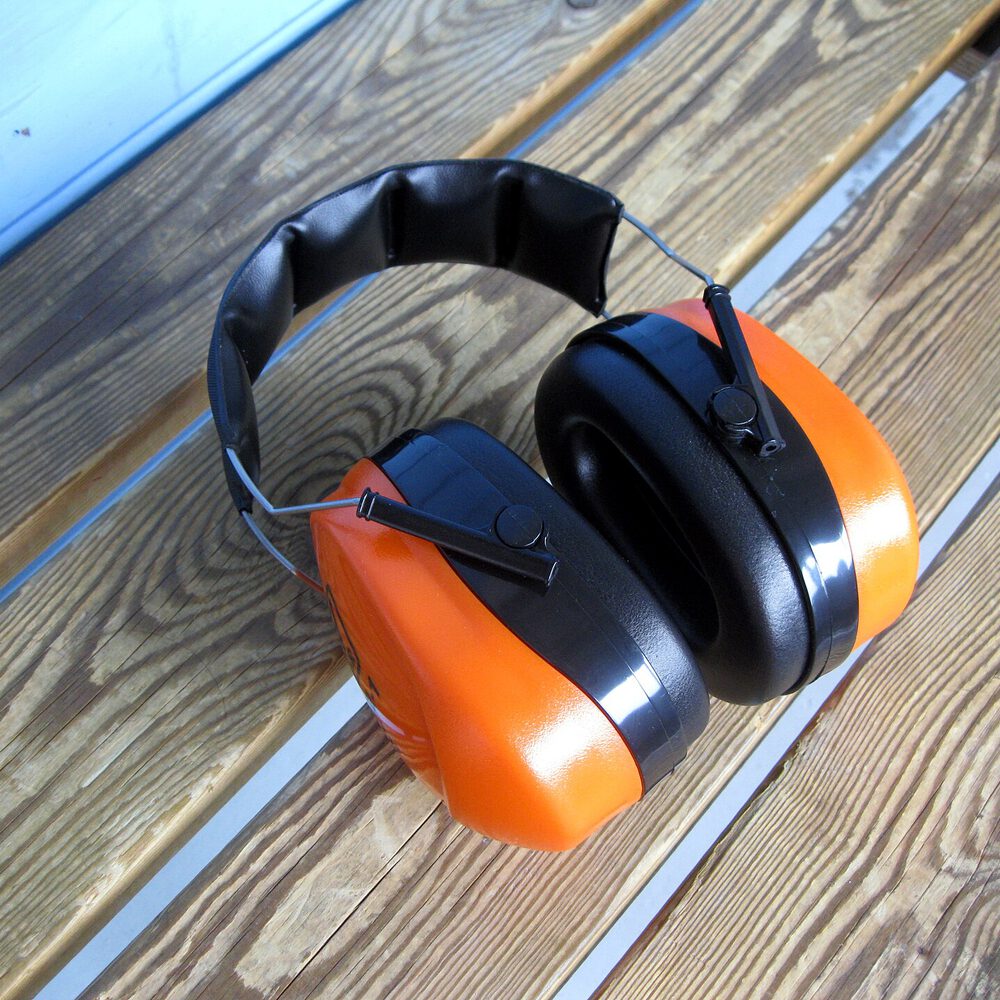
Over-the-head safety ear muffs with orange cups, soft foam-filled cushions and an adjustable headband, for generator rooms, workshops, factories and construction sites.
| Option | Price | Availability | SKU |
|---|---|---|---|
| Single piece | ৳380 | In stock | FSB-PB-EARMUFF-SINGLE-PIECE |
| Pack of 10 | ৳3,500 | In stock | FSB-PB-EARMUFF-PACK-OF-10 |
Delivery across Bangladesh. Cash on delivery available.
Delivery:
- Inside Dhaka: ৳60, about 2 days
- Outside Dhaka: ৳120, about 5 days
Payment methods: Cash on delivery, bKash, Credit / debit card, Cards, mobile banking and internet banking (SSLCommerz)
Specifications
- Product code
- FSB-PB-EARMUFF
- Type
- Hearing protection
- Type
- Passive ear muffs, over-the-head band
- Colour
- Orange cups with black cushions and headband
- Cups
- Hard plastic shells with sound-absorbing foam inserts
- Cushions
- Soft foam-filled ear cushions
- Headband
- Padded, with sliding height adjustment on both sides
- Size
- One size, adjustable for most adults
- Weight
- Approximately 200–250 g
- Reusable
- Yes — wipe clean after use
- Color
- Orange
- Application
- Workshop, Industrial, Construction
Description
Safety ear muffs are hearing protectors with two hard cups that close over the whole ear and a headband that presses them against the head. The sound-absorbing foam inside the cups and the soft cushions around the ear cut the noise of machines, generators and power tools down to a safer level. This model has orange cups with black cushions and a padded over-the-head band.
When do you need ear muffs?
Hearing damage from noise is gradual, painless and permanent. As a working rule, protection is needed wherever you must raise your voice to talk to someone one metre away — that usually means the noise is around 85 dB(A) or more. Typical examples are:
- Generator and compressor rooms
- Grinding, cutting, hammering and riveting work
- Weaving, spinning and knitting floors
- Wood-working machines, concrete breakers and piling work
- Airport ramps, engine test areas and shooting ranges
Ear muffs or ear plugs — which is better?
| Ear muffs | Ear plugs | |
|---|---|---|
| Putting on | Fast, easy to fit correctly | Needs correct rolling and insertion |
| On-and-off use | Very convenient | Less convenient |
| Hot, humid work | Can feel warm | Cooler |
| With helmet or spectacles | Band and spectacle arms can get in the way | No interference |
| Hygiene | Reusable for a long time, wipe clean | Foam type is single use |
For very loud work, ear plugs worn under ear muffs give more protection than either alone.
How to wear them correctly
- Pull the cups out to the full length of the slides and place the band over the crown of the head.
- Put the cups completely over the ears, then slide them up until the band rests on the head.
- Push hair away from under the cushions — thick hair, a cap or thick spectacle arms break the seal and let noise in.
- Keep them on for the whole time you are in the noise. Taking them off for even a few minutes in an hour removes much of the benefit.
What to look for on the packaging
Hearing protectors are sold with an attenuation figure — SNR (European, to EN 352-1) or NRR (American, to ANSI S3.19). The higher the figure, the more noise is reduced. Choose a figure that brings the noise at your workplace below about 80–85 dB(A) without cutting you off from warning signals completely.
Care
Wipe the cushions with a damp cloth and mild soap. Replace the ear muffs when the cushions become hard or cracked or the headband loses its grip, because a poor seal means poor protection.
Applications
- Generator, compressor and boiler rooms
- Garment, textile, spinning and knitting factories
- Steel, re-rolling and fabrication workshops
- Construction sites — breaking, cutting and piling work
- Wood-working and furniture factories
- Airports, shipyards and engine test areas
Recommended usage
Wear whenever you must raise your voice to be heard at one metre, and keep the ear muffs on for the full time you are in the noise. Adjust the cups so the cushions seal all the way round each ear, with no hair, cap or thick spectacle arms under them.
Safety instructions
A poor seal greatly reduces protection — check the fit every time. Replace the ear muffs if the cushions are hard, cracked or torn. Hearing protectors reduce warning sounds too, so stay alert to vehicles, alarms and signals. For extreme noise use ear plugs under the ear muffs and limit the time spent in the area.
Frequently asked questions
At what noise level should workers wear ear muffs?
Hearing protection is generally needed when noise reaches about 85 dB(A) averaged over a working day. A simple test is this: if you have to shout to be understood by someone one metre away, the area is loud enough to need ear muffs or ear plugs.
Can ear muffs be worn with a safety helmet?
An over-the-head ear muff like this one does not fit properly under a safety helmet, because the band sits where the helmet shell does. For helmet wearers, use ear plugs or helmet-mounted ear muffs that clip into the slots on the sides of the helmet.
What do SNR and NRR mean on hearing protection?
SNR and NRR are single-number ratings that tell you roughly how many decibels a hearing protector reduces noise by. SNR is the European figure and NRR the American one; they are measured differently, so they cannot be compared directly. In both cases a higher number means more noise reduction.
How long do safety ear muffs last?
The cups and headband usually last for years, but the cushions wear out first. Inspect them regularly and replace the ear muffs when the cushions turn hard, crack or no longer seal, or when the headband becomes loose.