Adhesive Bandage Plasters (Assorted)
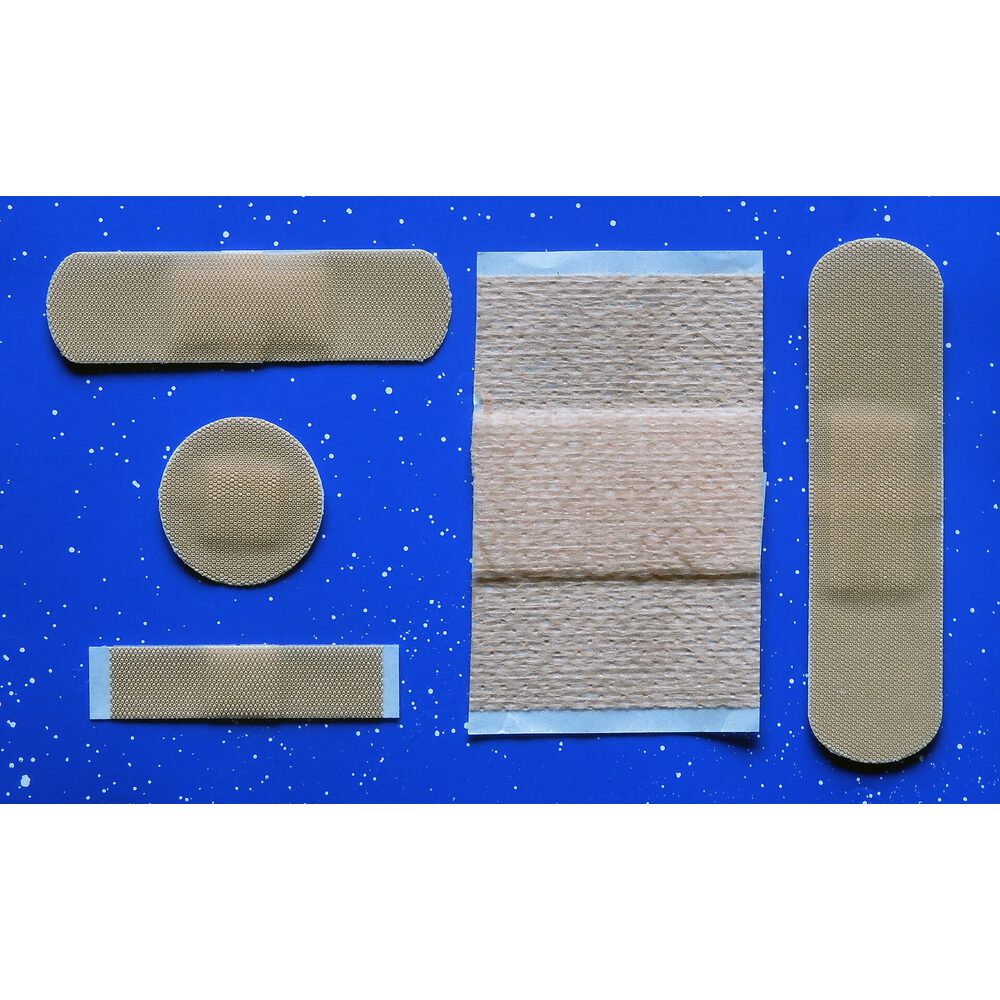
Skin-tone adhesive bandage plasters with a non-stick wound pad, in standard strips or an assorted box of strips, round spots and cut-to-size patches. For small cuts, grazes and blisters.
| Option | Price | Availability | SKU |
|---|---|---|---|
| Standard strips — box of 100 | ৳180 | In stock | FSB-WA-PLASTER-STANDARD-STRIPS-BOX-OF-100 |
| Assorted shapes — box of 100 | ৳240 | In stock | FSB-WA-PLASTER-ASSORTED-SHAPES-BOX-OF-100 |
Delivery across Bangladesh. Cash on delivery available.
Delivery:
- Inside Dhaka: ৳60, about 2 days
- Outside Dhaka: ৳120, about 5 days
Payment methods: Cash on delivery, bKash, Credit / debit card, Cards, mobile banking and internet banking (SSLCommerz)
Specifications
- Product code
- FSB-WA-PLASTER
- Type
- Wound plaster
- Type
- Adhesive bandage (wound plaster) with non-stick pad
- Colour
- Skin tone / beige
- Backing
- Perforated breathable film strips; elastic fabric on the large patch
- Standard strip
- Approximately 19 × 72 mm
- Assorted box
- Standard, short and long strips, round spots and large cut-to-size patches
- Pack size
- 100 pieces per box
- Single use
- Yes
- Model
- Standard strips, Assorted shapes
- Application
- Office, Industrial, Home
Description
An adhesive bandage — usually just called a plaster in Bangladesh — is a small strip of sticky backing with an absorbent, non-stick pad in the middle. It covers a minor cut, graze or blister, keeps dirt and friction away from it and lets it heal while you carry on working. These are the single most-used item in any first aid box.
Which shapes are in the assorted box?
| Shape | Good for |
|---|---|
| Standard strip (about 19 × 72 mm) | Fingers, hands, small cuts anywhere |
| Short strip | Small nicks, children's fingers |
| Long strip | Knuckles and cuts that need more grip |
| Round spot | Injection sites, insect bites, small punctures, blisters |
| Large patch with long pad | Grazes on knees and elbows; can be cut to the size you need |
If you only need the everyday size, choose the box of standard strips.
How do you apply a plaster properly?
- Wash your hands, then rinse the wound with clean running water and pat the skin dry — plasters do not stick to wet or oily skin.
- Peel the backing papers apart without touching the pad.
- Place the pad over the wound and smooth the adhesive ends down without stretching them.
- Change the plaster at least once a day, and whenever it becomes wet or dirty.
Plasters in the workplace
Factories, kitchens and workshops use plasters faster than anything else in the first aid box, so buy by the box and keep a spare. In food handling areas, many sites prefer brightly coloured plasters that are easy to spot if they fall off; these skin-tone plasters are intended for general use.
Storage
Keep the box closed in a cool, dry place. Heat and humidity weaken the adhesive over time, so plasters stored in a hot vehicle or a damp bathroom should be replaced more often.
Applications
- Home, school and office first aid boxes
- Garment factories, workshops and warehouses
- Restaurant and hotel kitchens
- Sports teams, gyms and scout groups
- Travel and vehicle first aid kits
Recommended usage
Clean and dry the skin, place the pad directly over the wound and press the adhesive ends down without stretching. Change the plaster daily or whenever it gets wet or dirty, and let the area air-dry for a few minutes between changes.
Safety instructions
For minor cuts, grazes and blisters only. Do not use on deep, gaping or heavily bleeding wounds, on burns larger than a coin, or on animal bites — these need medical care. Stop using if the skin under the adhesive becomes red or itchy. Single use only; keep away from small children, who may swallow them.
Frequently asked questions
How often should an adhesive plaster be changed?
Change an adhesive plaster at least once a day, and straight away if it gets wet, dirty or starts to peel. A fresh, dry plaster keeps the wound cleaner, and each change lets you check that the cut is healing and not becoming red or swollen.
What is the difference between a plaster and a bandage?
A plaster is a small self-adhesive strip with its own wound pad, used for minor cuts and grazes. A bandage is a longer roll of gauze or elastic fabric that is wrapped around a limb to hold a separate dressing in place or to support a joint.
How many plasters should a workplace first aid box have?
A workplace first aid box usually carries at least 20 to 40 plasters in mixed sizes, and more where minor cuts are common. Because plasters run out faster than any other item, most factories and kitchens keep a full box of 100 in reserve and top up the first aid box from it.
Are these plasters waterproof?
No, these are general-purpose plasters and are not sold as waterproof. They cope with a brief splash, but after hand-washing, bathing or heavy sweating the pad becomes damp and the plaster should be replaced with a dry one.