Yellow and Black Caution Tape
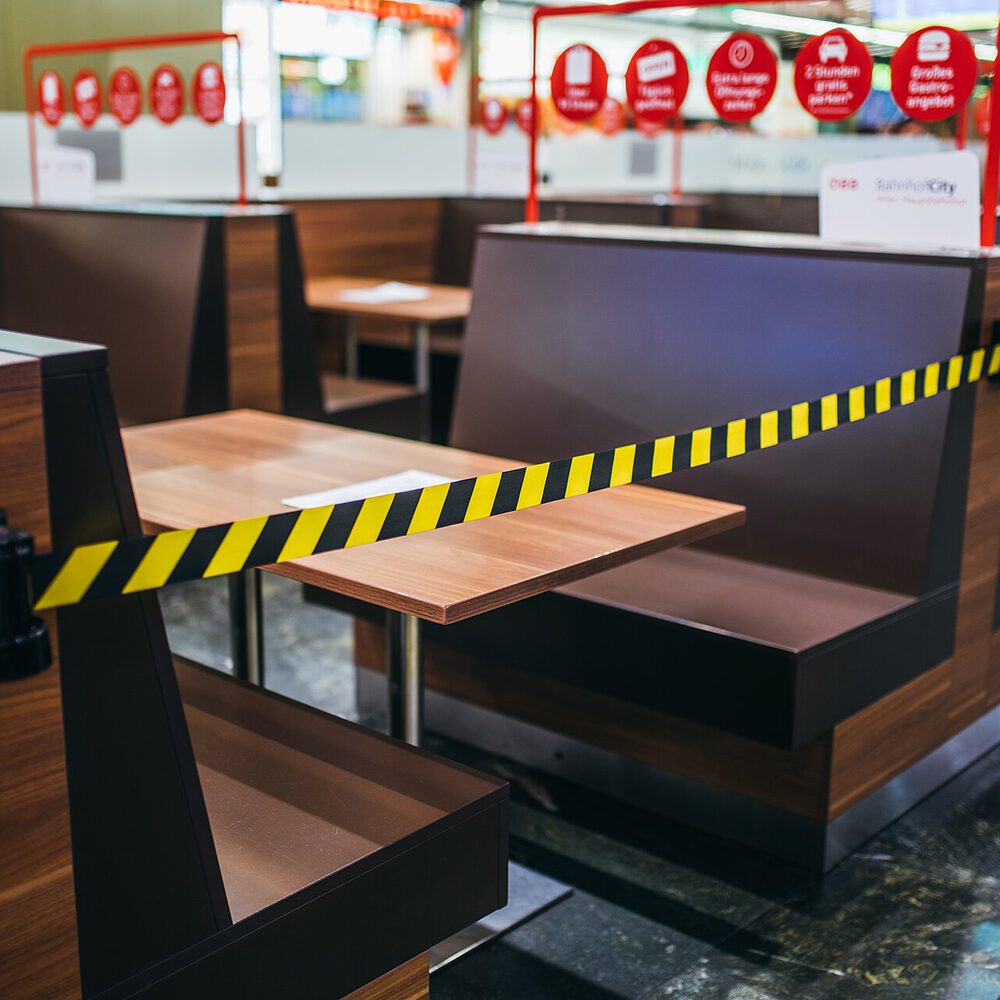
Yellow and black diagonal-striped caution tape, non-adhesive and 75 mm wide, for marking temporary hazards and closed-off areas in factories, buildings, shops and sites.
| Option | Price | Availability | SKU |
|---|---|---|---|
| 75 mm × 100 m | ৳250 | In stock | FSB-WS-TAPE-YB-75-MM-100-M |
| 75 mm × 250 m | ৳500 | In stock | FSB-WS-TAPE-YB-75-MM-250-M |
Delivery across Bangladesh. Cash on delivery available.
Delivery:
- Inside Dhaka: ৳60, about 2 days
- Outside Dhaka: ৳120, about 5 days
Payment methods: Cash on delivery, bKash, Credit / debit card, Cards, mobile banking and internet banking (SSLCommerz)
Specifications
- Product code
- FSB-WS-TAPE-YB
- Type
- Barricade tape
- Type
- Non-adhesive caution (barricade) tape
- Pattern
- Diagonal yellow and black stripes
- Text
- None
- Material
- Polyethylene (PE) film
- Width
- Approximately 75 mm (3 inch)
- Roll lengths
- Approximately 100 m and 250 m
- Adhesive
- None — tie or wrap to fix
- Reflective
- No
- Color
- Yellow/Black
- Application
- Industrial, Construction, Commercial, Event
- Size
- 75 mm × 100 m, 75 mm × 250 m
Description
Yellow and black caution tape is a plastic ribbon printed with diagonal yellow and black stripes that is stretched across or around a place to tell people to take care or keep out. The stripe pattern is the general "caution — hazard" marking that people recognise without any words. This tape is non-adhesive polyethylene, 75 mm wide: you tie or wrap it between posts, furniture, machines or railings.
What is yellow and black tape used for?
- Closing off a wet, broken or freshly painted floor, a damaged step or a leaking ceiling
- Keeping people out of seats, rooms, lifts, counters or equipment that are out of service
- Marking the area around machine maintenance, a spill or a temporary obstruction
- Warning of low headroom, projecting objects and uneven ground on sites
- Queue lines and restricted sections in shops, restaurants, markets and events
Yellow-black or red-white?
| Tape | Usual meaning |
|---|---|
| Yellow and black stripes | Caution — a hazard is present, take care or stay out |
| Red and white | Danger — the area is closed, do not enter |
Many workplaces use yellow-black for everyday, lower-risk hazards and keep red-white for serious ones such as excavations and overhead lifting. Whichever system you choose, use it the same way everywhere and explain it to staff.
How do you use it?
- Decide the boundary and find or place supports — posts, cones, chairs, railings or machine frames.
- Tie one end, pull the tape tight at waist height and wrap it round each support.
- For a doorway or a single seat, stretch it straight across at a height that cannot be missed.
- Take it down as soon as the hazard is cleared, so that tape keeps its meaning.
Good to know
- The tape is not sticky. For stripes stuck to a floor, step edge or column you need adhesive floor-marking tape instead.
- It is not reflective; add lighting or reflective cones in dark areas.
- It marks a hazard but does not physically stop anyone — use a solid barrier at an open edge or pit.
Applications
- Factory floors and machine maintenance areas
- Wet, damaged or freshly painted floors and stairs
- Out-of-service lifts, rooms, seats and counters
- Shops, restaurants, markets and event queues
- Construction and renovation work inside buildings
- Warehouses and loading bays
Recommended usage
Tie the tape at waist height between fixed supports and pull it tight so that the stripes are clearly visible from the approach. Use it for temporary hazards and closed-off areas, and take it down as soon as the hazard has been cleared.
Safety instructions
Caution tape is a visual warning and will not hold back a person or vehicle — use solid barriers or guard rails at open edges, pits and excavations. It is not reflective, so add lighting at night. Never tie tape across a fire exit or escape route, and do not leave loose ends where they can be caught in moving machinery.
Frequently asked questions
What does yellow and black tape mean?
Yellow and black stripes mean caution: there is a hazard, so take care or keep out of the marked area. The same colours are used for hazard markings on floors, low beams, machine guards and vehicle bumpers.
What is the difference between caution tape and floor marking tape?
Caution tape is a non-adhesive ribbon that is tied between supports to close off an area for a short time. Floor marking tape is a thicker vinyl tape with adhesive that is stuck permanently to the floor, steps or columns. This product is the non-adhesive type.
Should I use yellow-black or red-white tape?
Use yellow-black tape for general caution and temporary, lower-risk hazards, and red-white tape where entry must be completely prevented because of serious danger. This is the common site convention; the important thing is to apply it consistently.
Can caution tape be reused?
It can be rewound and reused for a short indoor job if it is clean and undamaged, but it is made as a low-cost, single-use product. Tape that is stretched, torn, dirty or faded should be thrown away, because a shabby tape is easily ignored.