Red and White Barrier Tape Roll
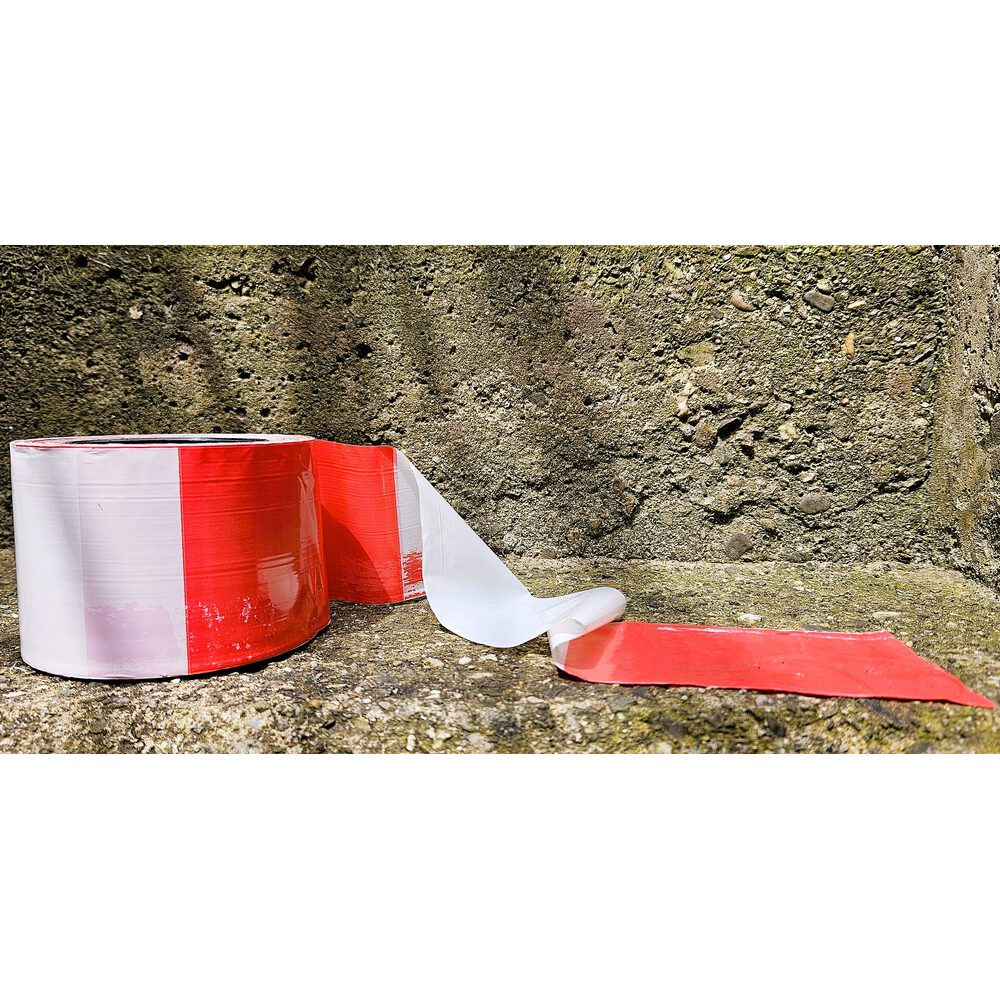
Non-adhesive red and white barrier tape on a roll, 75 mm wide, for cordoning off excavations, construction work, accident spots, events and no-entry areas.
| Option | Price | Availability | SKU |
|---|---|---|---|
| 75 mm × 100 m | ৳250 | In stock | OVY-WS-TAPE-RW-75-MM-100-M |
| 75 mm × 250 m | ৳500 | In stock | OVY-WS-TAPE-RW-75-MM-250-M |
Delivery across Bangladesh. Cash on delivery available.
Delivery:
- Inside Dhaka: ৳60, about 2 days
- Outside Dhaka: ৳120, about 5 days
Payment methods: Cash on delivery, bKash, Credit / debit card, Cards, mobile banking and internet banking (SSLCommerz)
Specifications
- Product code
- OVY-WS-TAPE-RW
- Type
- Barricade tape
- Type
- Non-adhesive barrier (barricade) tape
- Pattern
- Alternating red and white blocks
- Text
- None
- Material
- Polyethylene (PE) film
- Width
- Approximately 75 mm (3 inch)
- Roll lengths
- Approximately 100 m and 250 m
- Adhesive
- None — tie or wrap to fix
- Reflective
- No
- Color
- Red/White
- Application
- Industrial, Road, Construction, Event
- Size
- 75 mm × 100 m, 75 mm × 250 m
Description
Red and white barrier tape is a thin plastic ribbon printed in alternating red and white blocks that is stretched between posts, cones or railings to show people that they must not enter an area. It is not sticky: you tie or wrap it. This roll is 75 mm wide polyethylene film with a bright red-and-white pattern that is noticed from a distance in daylight.
What is red and white tape used for?
- Closing off excavations, open drains, manholes and trenches
- Marking the edge of construction, demolition and roof work
- Cordoning an accident or fire scene, a fallen tree or a damaged structure
- Keeping people away from lifting operations, falling-object zones and electrical work
- Crowd lines and closed sections at events, fairs and parking areas
Red-white or yellow-black — which tape should you use?
| Tape | Usual meaning | Typical use |
|---|---|---|
| Red and white | Danger — do not enter | Excavations, overhead work, accident scenes, closed areas |
| Yellow and black | Caution — take care | Wet or uneven floors, low headroom, machinery surroundings, temporary hazards |
This is a common convention on sites rather than a legal rule; what matters is that your site uses each colour consistently and that workers are told what it means.
How do you put it up?
- Set posts, cones, stanchions or rebar with caps around the area, a few metres apart.
- Tie the tape to the first post and unroll it from post to post at about waist height, wrapping it once round each one.
- Keep it reasonably tight so it does not sag to the ground; add a second line lower down where children may be present.
- Remove and dispose of the tape when the hazard is gone.
Which roll length should you choose?
A 100 m roll suits a single job such as one excavation or a small event. The 250 m roll is more economical for construction projects, facility teams and contractors who use tape every day.
Applications
- Road, drain and utility excavations
- Construction, demolition and roof work boundaries
- Accident, fire and emergency scenes
- Lifting zones and overhead work areas
- Events, fairs, parking and crowd lines
- Closed rooms, lifts and equipment under repair
Recommended usage
Stretch the tape at about waist height between posts, cones or railings placed a few metres apart, wrapping it round each support and keeping it tight. Stand the supports far enough back from the edge of an excavation or drop. Remove the tape when the hazard has gone.
Safety instructions
Barrier tape is a visual warning only — it will not stop a person or vehicle from falling into an excavation or from an edge. Use rigid barriers or guard rails wherever there is a risk of falling, and add lights or reflective cones at night because the tape itself is not reflective. Do not tie tape across fire exits or escape routes.
Frequently asked questions
What does red and white tape mean?
Red and white barrier tape generally means danger or no entry: the area behind it is closed and should not be crossed. It is used around excavations, overhead work, accident scenes and other places where entering could cause injury.
Is barrier tape sticky?
No, barrier tape has no adhesive. It is a plain plastic ribbon that is tied or wrapped around posts, cones and railings. Sticky striped tape for marking floors and edges is a different product, usually called floor marking or hazard tape.
How long is one roll of barrier tape?
This tape is offered in rolls of approximately 100 metres and 250 metres, both about 75 mm wide. As a guide, a 100 m roll goes once round an area of roughly 25 m × 25 m.
Can barrier tape be used outdoors in rain?
Yes. Polyethylene tape is not affected by water, so it can be used in rain. Wind is the bigger problem: tie the tape tightly, keep the spans short and check it daily, and expect the colour to fade after long exposure to strong sun.
Can barrier tape be seen at night?
Only under lighting — ordinary barrier tape is not reflective. For hazards beside a road or on an unlit site at night, add reflective cones, warning lights or reflective barriers along the taped line.