Water Mist Fire Extinguisher
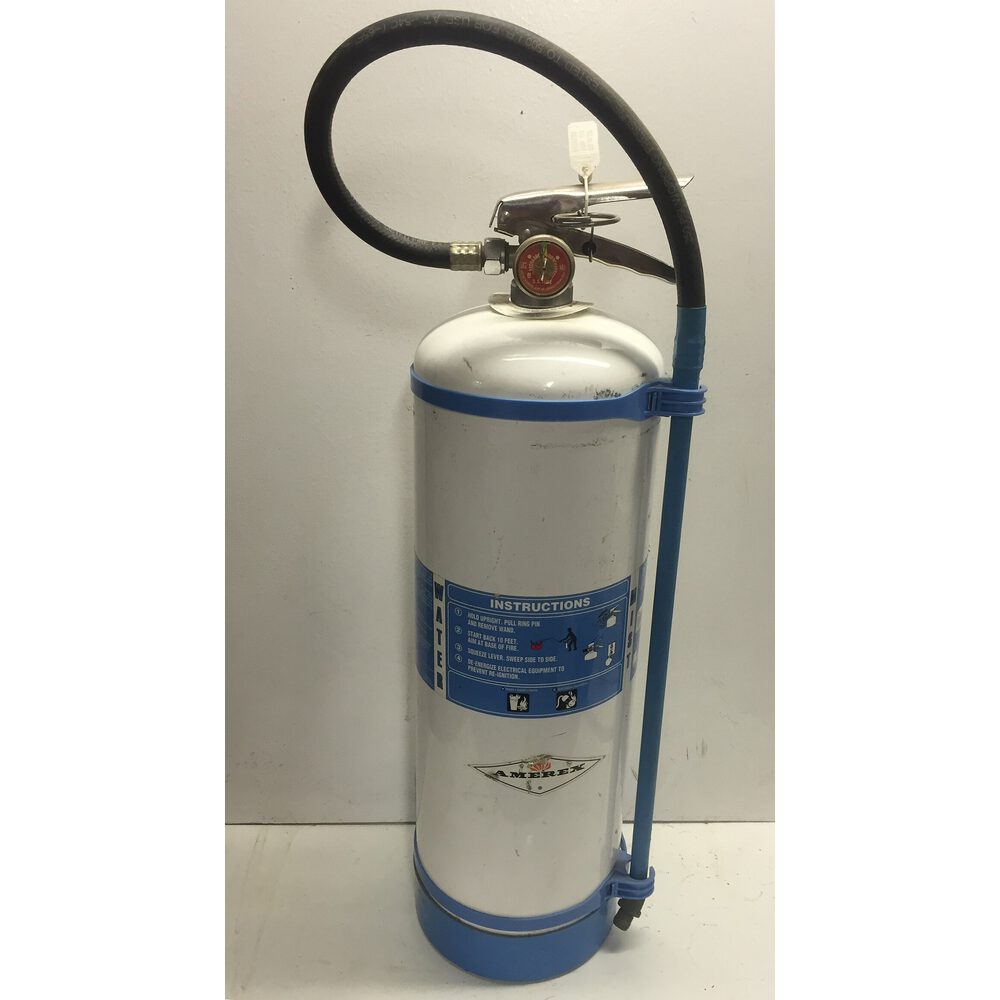
Water mist fire extinguisher in 6 litre and 9 litre sizes, charged with de-ionised water and fitted with a misting nozzle. Clean, chemical-free protection for hospitals, labs, libraries and offices.
| Option | Price | Availability | SKU |
|---|---|---|---|
| 6 Litre | ৳6,500 | In stock | FSB-FE-WATER-MIST-6-LITRE |
| 9 Litre | ৳8,500 | In stock | FSB-FE-WATER-MIST-9-LITRE |
Delivery across Bangladesh. Cash on delivery available.
Delivery:
- Inside Dhaka: ৳60, about 2 days
- Outside Dhaka: ৳120, about 5 days
Payment methods: Cash on delivery, bKash, Credit / debit card, Cards, mobile banking and internet banking (SSLCommerz)
Specifications
- Product code
- FSB-FE-WATER-MIST
- Type
- Fire extinguisher
- Fire class
- Class A
- Extinguishing agent
- De-ionised water, discharged as fine mist
- Suitable for
- Class A solids; near live electrical equipment as marked on the unit label
- Not suitable for
- Burning metals (Class D); other classes only if shown on the label
- Available sizes
- 6 litres, 9 litres
- Type
- Stored pressure, with pressure gauge
- Body
- White or polished finish with blue markings
- Discharge
- Squeeze-grip valve, hose and wand with misting nozzle
- Discharge range
- Approximately 3–4 m
- Discharge time
- Approximately 50–80 seconds depending on size
- Refillable
- Yes — de-ionised or distilled water only
- Residue after use
- Small amount of clean water
- Capacity
- 9 Litre, 6 Litre
- Application
- Office, Hospital, Laboratory
- Agent Type
- Water Mist
Description
A water mist fire extinguisher discharges de-ionised water as a very fine fog instead of a solid jet. The tiny droplets cool the fire quickly and turn to steam that pushes oxygen away from the flames, while using little water and leaving no powder or chemical behind. It is chosen for places where people, patients or valuable contents are close to the fire risk — hospitals, laboratories, libraries, archives and offices.
What is a water mist extinguisher used for?
Its main use is Class A fires — paper, files, bedding, curtains, furniture, wood and packaging. Because the water is de-ionised and comes out as separate droplets rather than a continuous stream, mist units are commonly rated as safe to use near energised electrical equipment at the distance stated on the label. Always check the label of your unit for the fire classes and electrical clearance it is marked for.
It is not for burning metals. Use it on flammable liquids or cooking oil only if the label of the unit shows a rating for those classes.
How can you recognise one?
A water mist extinguisher usually has a white or polished body with blue markings instead of the usual all-red finish, a pressure gauge, and a hose ending in a long wand with a misting nozzle. The wand lets you stand back and spread the mist over the fire.
Water mist, plain water or CO2?
| Water mist | Plain water jet | CO2 | |
|---|---|---|---|
| Class A fires | Good | Very good | Poor on deep-seated fires |
| Near live electrical | As marked on the label | Never | Yes |
| Residue | A little clean water | A lot of water | None |
| Use around people | Gentle, no chemicals | Safe | Displaces air in small rooms |
Which size should you choose?
| Size | Typical use |
|---|---|
| 6 litre | Hospital wards and cabins, clinics, offices, small labs, libraries |
| 9 litre | Operation theatre corridors, clean rooms, archives, museums, larger labs |
How do you use and maintain it?
- Pull the pin and take the wand in one hand.
- Aim at the base of the fire from about 2–3 metres and squeeze the lever.
- Sweep the mist over the whole burning area.
Check the gauge monthly. At refill time the unit must be recharged with de-ionised or distilled water only — ordinary tap water conducts electricity and removes the main advantage of the extinguisher.
Applications
- Hospital wards, cabins, ICU and operation theatre corridors
- Diagnostic centres, clinics and laboratories
- Libraries, archives, museums and record rooms
- Offices, banks and call centres
- Clean rooms, pharmaceutical and electronics assembly areas
- Hotels, hostels and care homes
Recommended usage
Mount on a wall bracket in corridors and beside room exits, with the handle about 1 to 1.5 m above the floor. Use the wand to spread mist over the base of the fire from 2–3 m. Keep CO2 units for electrical rooms and ABC powder units where flammable liquids or gases are present.
Safety instructions
Only fight a fire that is small and when your escape route is clear; otherwise leave and call 999. Use near live electrical equipment only if the unit label states an electrical rating, and keep at least the distance it gives. Do not use on burning metals, and not on flammable liquids or cooking oil unless the label shows those classes. Recharge only with de-ionised or distilled water. Keep away from heat above 60 °C and do not drop or dent the cylinder.
Frequently asked questions
What is a water mist fire extinguisher?
It is an extinguisher that sprays de-ionised water as a very fine mist rather than a jet. The mist cools the fire and the steam it forms reduces the oxygen around the flames, so it puts out Class A fires with little water and no chemical residue.
Can a water mist extinguisher be used on electrical equipment?
Many water mist extinguishers are marked for use near live electrical equipment, because de-ionised water mist conducts very little electricity. This depends on the model, so use it that way only if the label says so, and keep the stated distance.
Why are water mist extinguishers used in hospitals?
Hospitals use them because the mist is clean, non-toxic and gentle: it does not fill a ward with powder or displace the air the way CO2 does, and it leaves only a little water on equipment and bedding. That makes it suitable around patients who cannot be moved quickly.
Can I refill a water mist extinguisher with tap water?
No, it must be refilled with de-ionised or distilled water only. Tap water contains dissolved minerals that conduct electricity and can clog the fine misting nozzle.