Safety Helmet (Industrial Hard Hat)
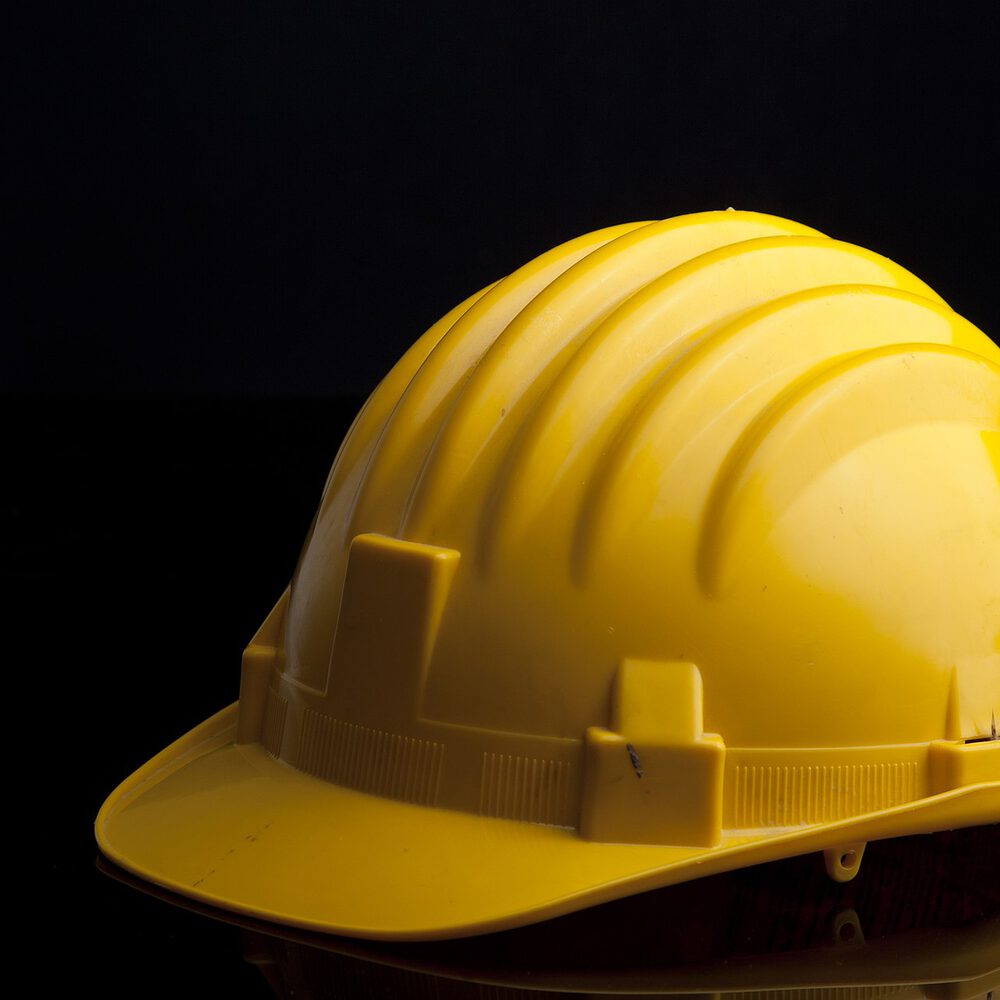
Industrial safety helmet (hard hat) with a ribbed plastic shell, short peak and adjustable inner harness. For construction sites, factories and warehouses. Yellow, white, blue and red.
| Option | Price | Availability | SKU |
|---|---|---|---|
| Yellow | ৳300 | In stock | FSB-PA-HELMET-YELLOW |
| Blue | ৳300 | In stock | FSB-PA-HELMET-BLUE |
| White | ৳300 | In stock | FSB-PA-HELMET-WHITE |
| Red | ৳300 | In stock | FSB-PA-HELMET-RED |
Delivery across Bangladesh. Cash on delivery available.
Delivery:
- Inside Dhaka: ৳60, about 2 days
- Outside Dhaka: ৳120, about 5 days
Payment methods: Cash on delivery, bKash, Credit / debit card, Cards, mobile banking and internet banking (SSLCommerz)
Specifications
- Product code
- FSB-PA-HELMET
- Type
- Safety helmet
- Type
- Industrial safety helmet (hard hat) with short peak
- Colours
- Yellow, white, blue, red
- Shell material
- High-density polyethylene (HDPE) plastic, ribbed crown
- Suspension
- Plastic and webbing inner harness
- Size adjustment
- Adjustable headband, fits approximately 52–62 cm head size
- Accessory slots
- Side slots for ear muffs or a visor carrier
- Approximate weight
- 300–400 g
- Cleaning
- Mild soap and water only
- Color
- Red, Blue, Yellow, White
- Material
- HDPE
- Application
- Industrial, Construction
Description
A safety helmet, also called a hard hat, is a rigid plastic shell with an inner harness that protects the head from falling objects and from knocks against beams, pipes and scaffolding. It is the basic piece of head protection on construction sites, in factories, warehouses, shipyards and power plants across Bangladesh, and the first thing most site rules ask every worker and visitor to wear.
How does a safety helmet protect you?
The helmet works in two parts. The outer shell, moulded from HDPE or ABS plastic, spreads the force of a blow and deflects falling objects — the raised ribs on the crown make it stiffer. The inner harness (suspension) holds the shell about 25–30 mm above your head, so the webbing stretches and absorbs the shock instead of passing it straight to the skull. That gap is essential: never pack anything into it.
What do the helmet colours mean?
There is no single legal colour code in Bangladesh; each site sets its own. A common arrangement is:
| Colour | Often worn by |
|---|---|
| Yellow | General workers and labourers |
| White | Engineers, managers, supervisors and visitors |
| Blue | Electricians and technical staff |
| Red | Fire wardens and safety officers |
The photo shows the yellow helmet. The other colours are the same model.
How do you choose and fit one?
- Adjust the headband so the helmet stays on when you bend forward, without pressing on the forehead.
- For work at height, or in wind, add a chin strap.
- When buying for industrial use, look for a helmet marked to EN 397 or ANSI Z89.1 inside the shell.
- For work near live electrical conductors, choose a helmet that is specifically marked for electrical insulation; an ordinary helmet is not.
When should a safety helmet be replaced?
Replace it straight away after any hard impact, even if no crack is visible, and whenever the shell is cracked, chalky, faded or brittle, or the harness is frayed. Sunlight slowly weakens plastic, so many manufacturers advise replacing the shell after roughly three to five years of regular outdoor use.
Applications
- Building and road construction sites
- Garment, steel, cement and other factories
- Warehouses, godowns and loading bays
- Shipyards and ship-breaking yards
- Power plants, sub-stations and telecom tower work
- Site visitors and inspection teams
Recommended usage
Wear the helmet level on the head with the peak to the front and tighten the headband until it stays in place when you bend over. Check the shell and harness before each shift, keep the gap between harness and shell empty, and add a chin strap for work at height.
Safety instructions
Replace the helmet after any heavy impact, even with no visible damage. Do not drill holes, paint the shell or clean it with solvents — these weaken the plastic. Do not wear it back to front or over a thick cap. An ordinary helmet does not protect against electric shock or against side impacts from heavy objects.
Frequently asked questions
Which colour safety helmet should I buy for my workers?
Yellow is the usual choice for general workers, with white for engineers, supervisors and visitors. There is no fixed legal colour code in Bangladesh, so follow the rule your site or client has set and keep it consistent.
How long does a safety helmet last?
A plastic safety helmet in regular outdoor use is commonly replaced after about three to five years, and immediately after any hard impact. Sunlight, heat and chemicals age the shell, so replace it sooner if it looks faded, chalky or cracked.
Can I use a construction safety helmet as a motorcycle helmet?
No. An industrial safety helmet is designed for objects falling from above, not for the high-speed side and front impacts of a road crash, and it has no retention system for that purpose. Use a proper motorcycle helmet on the road.
What is the difference between a safety helmet and a bump cap?
A safety helmet protects against falling objects, while a bump cap only protects against bumping your own head on fixed objects. Where anything can fall from above — construction, lifting, racking — a safety helmet is required.
Can I put stickers or paint on a safety helmet?
Small stickers are generally fine, but paint and solvent-based markers should be avoided because solvents can weaken the plastic shell. Stickers should not cover areas you need to inspect for cracks.