Conventional Fire Alarm Control Panel
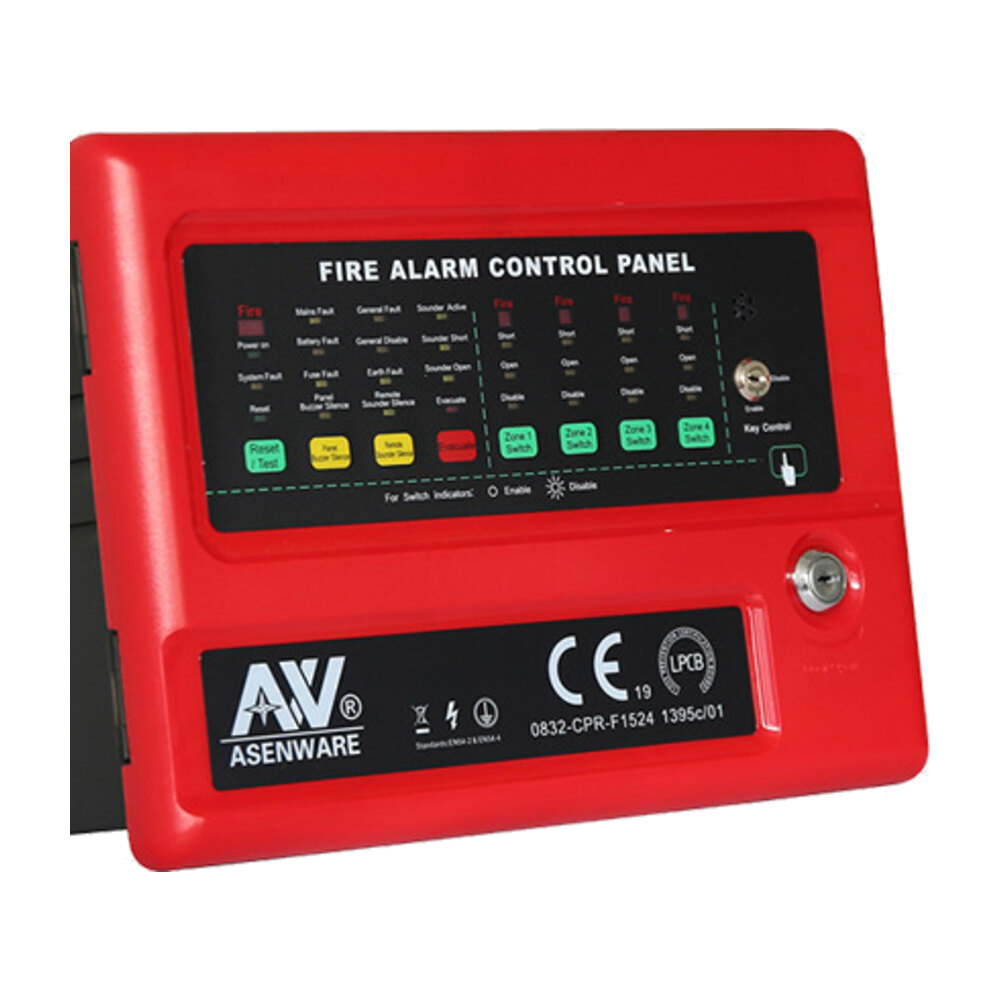
Conventional fire alarm control panel in 2, 4 and 8 zone versions. Connects smoke detectors, heat detectors, call points, bells and sounders for shops, offices, factories and apartment buildings.
| Option | Price | Availability | SKU |
|---|---|---|---|
| 2 Zone | ৳18,000 | In stock | FSB-FD-FACP-2-ZONE |
| 4 Zone | ৳24,000 | In stock | FSB-FD-FACP-4-ZONE |
| 8 Zone | ৳32,000 | In stock | FSB-FD-FACP-8-ZONE |
Delivery across Bangladesh. Cash on delivery available.
Delivery:
- Inside Dhaka: ৳60, about 2 days
- Outside Dhaka: ৳120, about 5 days
Payment methods: Cash on delivery, bKash, Credit / debit card, Cards, mobile banking and internet banking (SSLCommerz)
Specifications
- Product code
- FSB-FD-FACP
- Type
- Fire alarm control panel
- System type
- Conventional (zone indicating), non-addressable
- Zone options
- 2, 4 or 8 detection zones
- Compatible devices
- Conventional smoke and heat detectors, manual call points, 24 V DC bells, sounders and strobes
- Mains supply
- 220–240 V AC, 50 Hz
- System voltage
- 24 V DC nominal
- Standby battery
- Space for 2 × 12 V sealed lead-acid batteries (commonly 7 Ah)
- Zone wiring
- Two-wire circuit with end-of-line resistor, monitored for open and short circuit
- Indicators
- Power, fire and fault LEDs per zone, general fault, sounder status
- Functions
- Silence sounders, reset, evacuate, zone disable and test
- Access control
- Key switch to enable the front-panel buttons
- Enclosure
- Red wall-mounted cabinet with lockable front and cable entries, indoor use
- Color
- Red
- Model
- 4 Zone, 2 Zone, 8 Zone
- Application
- Office, Industrial, Residential building
Description
A conventional fire alarm control panel is the central unit of a wired fire alarm system. It powers and monitors the smoke detectors, heat detectors and manual call points on each zone, and when any of them operates it shows which zone is in alarm and switches on the bells and sounders. It is the usual choice in Bangladesh for small and medium buildings such as shops, offices, garment floors, clinics, schools and apartment blocks.
How does a conventional panel work?
The building is divided into zones — normally one floor or one fire compartment per zone. Each zone is a two-wire circuit with its detectors and call points connected in parallel and an end-of-line resistor at the last device. The panel watches the current in every circuit:
- Normal — only the small monitoring current flows.
- Fire — a detector or call point operates, the current rises and the zone's red fire indicator lights.
- Fault — a broken or short-circuited cable is shown as a fault, so a damaged circuit does not go unnoticed.
The panel tells you which zone is in alarm, not which individual detector. If you need the exact device location on a display, you need an addressable system instead.
How many zones do you need?
| Panel | Typical building |
|---|---|
| 2 zone | A shop, small office, small warehouse or a two-storey house |
| 4 zone | A three or four storey office, clinic, school or small factory |
| 8 zone | A multi-storey apartment or commercial building, a larger factory floor |
Allow one zone per floor as a minimum and keep a spare zone for later extension. A conventional zone commonly carries up to about 20 detectors, but the limit is set by the panel's manual.
What else do you need?
- Detectors and manual call points for each zone
- Bells, sounders or horn strobes for the sounder circuits
- Two 12 V sealed lead-acid standby batteries, which keep the system running during load-shedding
- Fire-resistant cable and end-of-line resistors
Controls and indicators
The red wall-mounted cabinet carries a front display with power, fire and fault lights for every zone, and buttons to silence the sounders, reset the system after an alarm and sound the alarm manually for an evacuation or a drill. A key switch enables the buttons, so only the person holding the key can silence or reset the system.
Applications
- Shops, showrooms and small offices
- Garment factories, warehouses and workshops
- Apartment buildings and housing societies
- Schools, coaching centres and madrasas
- Clinics, diagnostic centres and small hospitals
- Restaurants, hotels and guest houses
Recommended usage
Mount the panel indoors at about eye level near the main entrance or in the security or reception room, where the fire service and the person in charge can reach it quickly. Feed it from a dedicated, clearly labelled mains supply and fit two 12 V standby batteries. Installation and commissioning should be done by a trained fire alarm technician.
Safety instructions
Isolate the mains supply and disconnect the batteries before working inside the panel. Never leave a zone or sounder circuit disabled after testing. Test the system weekly from a call point and check the standby batteries regularly; sealed lead-acid batteries usually need replacing every three to four years. Keep the panel away from water, heat and direct sunlight.
Frequently asked questions
What is the difference between a conventional and an addressable fire alarm panel?
A conventional panel shows only the zone that is in alarm, while an addressable panel shows the exact detector or call point. Conventional systems cost less and are simpler to wire and maintain, which suits small and medium buildings. Addressable systems are used in large or complex buildings where finding the exact location quickly matters.
How many detectors can be connected to one zone?
A conventional zone commonly takes up to about 20 detectors, plus manual call points. The exact number depends on the panel and on the current each detector draws, so follow the figure in the panel manual and keep each zone to one floor or one fire compartment.
Will the fire alarm panel work during load-shedding?
Yes, as long as the standby batteries are fitted and healthy. The panel charges two 12 V sealed lead-acid batteries from the mains and switches to them automatically when the power fails. How long it runs depends on the battery capacity and the number of devices connected.
Which fire alarm panel is suitable for a garment factory?
A small single-floor unit can use a 4 or 8 zone conventional panel, but most multi-storey garment factories need an addressable system. Buyers and safety auditors in the export garment sector usually expect a system designed to a recognised code such as NFPA 72 and the Bangladesh National Building Code, so have the design checked by a qualified fire engineer before buying.
How often should a fire alarm system be tested?
Test it briefly every week by operating one manual call point, using a different one each time. In addition, have the whole system — detectors, sounders, batteries and panel — inspected by a competent technician at least once or twice a year, and keep a written log.