Motorcycle First Aid Kit (Compact Red Pouch)
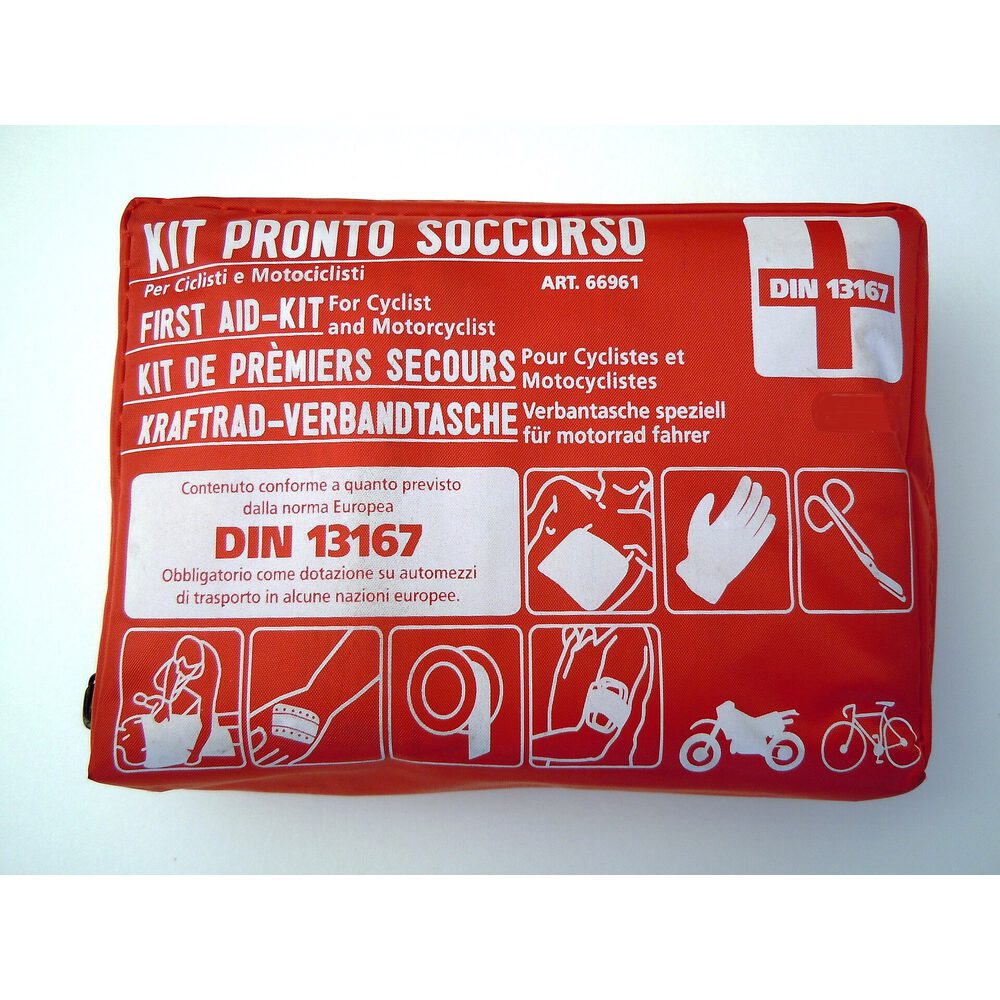
Slim red first aid pouch for motorcycles and bicycles with wound dressings, compresses, plasters, tape, gloves, scissors and a rescue blanket. Fits under the seat or in a top box.
| Option | Price | Availability | SKU |
|---|---|---|---|
| Compact rider kit | ৳750 | In stock | OVY-HV-MFAK-COMPACT-RIDER-KIT |
Delivery across Bangladesh. Cash on delivery available.
Delivery:
- Inside Dhaka: ৳60, about 2 days
- Outside Dhaka: ৳120, about 5 days
Payment methods: Cash on delivery, bKash, Credit / debit card, Cards, mobile banking and internet banking (SSLCommerz)
Specifications
- Product code
- OVY-HV-MFAK
- Type
- First aid kit
- Kit type
- Compact first aid kit for motorcyclists and cyclists
- Contents pattern
- Based on the European motorcycle first aid list (referred to as DIN 13167)
- Dressings
- Sterile wound dressing, gauze compresses, large dressing cloth
- Plasters
- Adhesive plasters, wound strips and tape roll
- Tools and protection
- Scissors, disposable gloves, rescue blanket, first aid leaflet
- Medicines
- None
- Container
- Red soft pouch with printed first aid symbols
- Format
- Flat, lightweight; fits under-seat storage or a top box
- Color
- Red
- Application
- Bicycle, Motorcycle, Travel
Description
A motorcycle first aid kit is a flat, lightweight pouch of dressings sized to fit the very limited storage on a bike — under the seat, in a top box, a tank bag or a rider's backpack. It covers the injuries riders actually get in a fall: road rash, cuts, bleeding wounds and the shock that follows.
What is in a motorcycle first aid kit?
The contents follow the pattern of the compact European motorcycle kit list, which is referred to as DIN 13167. A kit of this type typically contains:
| Item | Used for |
|---|---|
| Sterile wound dressing with bandage | Covering and pressing on a bleeding wound |
| Sterile gauze compresses | Padding wounds and grazes |
| Large sterile dressing cloth | Covering wide areas of road rash |
| Adhesive plasters and wound strips | Small cuts |
| Roll of adhesive tape | Fixing dressings |
| Disposable gloves | Protecting the first aider |
| Scissors | Cutting clothing, tape and dressings |
| Rescue (foil) blanket | Keeping the casualty warm |
| First aid leaflet | Reminders of what to do |
Exact quantities vary; check the list packed with the pouch. There are no medicines in the kit.
Why does a bike need its own kit?
A car kit is too bulky to carry on a motorcycle, and riders have no bodywork around them — even a low-speed slide usually means skin injuries. Help can be a long way off on highways and rural roads, and the first few minutes of bleeding control are down to whoever is there.
About the pouch
- Bright red soft pouch with first aid symbols, easy to spot
- Flat shape, roughly the size of a paperback book
- Light enough to carry on every ride
- Printed pictograms show the contents
Where do you carry it?
| Place | Notes |
|---|---|
| Under the seat | Out of the weather; check it fits beside the tool roll |
| Top box or pannier | Easiest to reach |
| Tank bag or backpack | Stays with the rider if the bike is left behind |
Avoid storing it against the engine or exhaust, where heat spoils adhesive and gloves.
How do you keep it ready?
Check the pouch every few months — rain and vibration are harder on a bike kit than on one in a car. Replace anything used, damp or past its expiry date, and keep the pouch inside a zip-lock bag if your under-seat space lets water in.
Applications
- Motorcycles and scooters
- Ride-sharing and delivery riders
- Bicycles and cycling clubs
- Long highway and hill-road tours
- Rider backpacks and tank bags
- Small boats and day trips
Recommended usage
Carry the pouch on every ride, under the seat or in a top box, protected from rain and engine heat. After a fall, make the scene safe first, put on the gloves, press a sterile dressing firmly on any bleeding wound, cover the casualty with the rescue blanket and call for medical help.
Safety instructions
Do not remove the helmet of an injured rider unless they are not breathing or you have been trained to do so, and do not move anyone with a suspected neck or back injury unless they are in immediate danger. The kit supports first aid only — call 999 or reach a hospital for anything beyond a minor injury. Do not use dressings with torn or expired sterile packaging.
Frequently asked questions
What first aid kit should a motorcycle rider carry?
A rider should carry a compact kit with sterile wound dressings, gauze compresses, plasters, tape, gloves, scissors and a rescue blanket. It needs to be flat and light enough to stay on the bike all the time, which is why motorcycle kits are smaller than car kits.
Where can I keep a first aid kit on a motorcycle?
Keep it under the seat, in a top box or pannier, or in a tank bag. Choose a place away from engine and exhaust heat, and put the pouch in a zip-lock bag if water gets into the storage space.
How do you treat road rash after a bike accident?
Rinse the graze with clean water to remove dirt, cover it with a sterile non-fluffy dressing and get it checked by a doctor if it is large, deep or has grit stuck in it. Put on gloves first, and deal with any heavy bleeding before the grazes.
Is a motorcycle first aid kit different from a car first aid kit?
Yes, it is smaller. A motorcycle kit holds fewer bandages and no triangular bandages in most versions, so that it packs flat, while a car kit carries a larger quantity for several casualties.