Fire Extinguisher for Bus & Truck (ABC Powder)
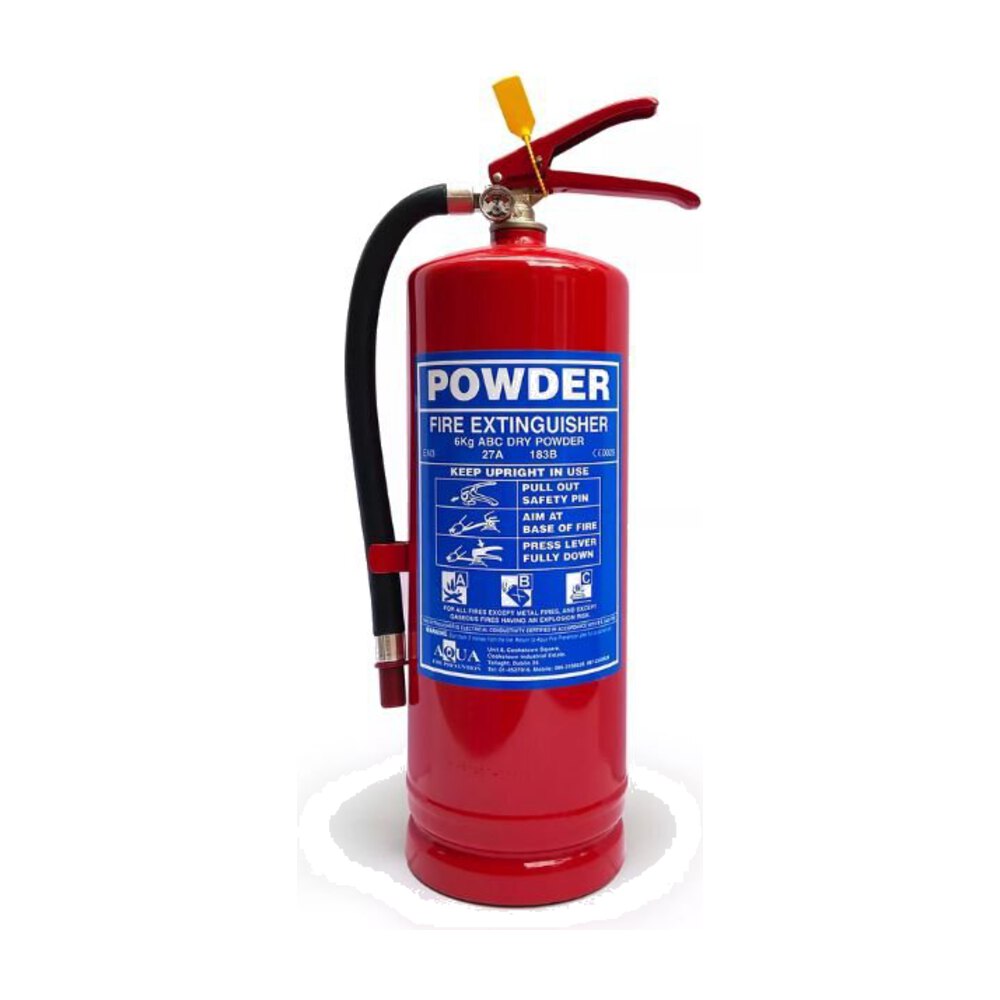
ABC dry powder fire extinguisher with pressure gauge and discharge hose for buses, trucks, covered vans and tank lorries. 2 kg, 4 kg and 6 kg sizes, for mounting in a vehicle bracket.
| Option | Price | Availability | SKU |
|---|---|---|---|
| 2 kg | ৳1,200 | In stock | FSB-HV-BTFE-2-KG |
| 4 kg | ৳1,700 | In stock | FSB-HV-BTFE-4-KG |
| 6 kg | ৳2,000 | In stock | FSB-HV-BTFE-6-KG |
Delivery across Bangladesh. Cash on delivery available.
Delivery:
- Inside Dhaka: ৳60, about 2 days
- Outside Dhaka: ৳120, about 5 days
Payment methods: Cash on delivery, bKash, Credit / debit card, Cards, mobile banking and internet banking (SSLCommerz)
Specifications
- Product code
- FSB-HV-BTFE
- Type
- Fire extinguisher
- Fire class
- Class A, B, C, live electrical
- Extinguishing agent
- ABC dry powder (monoammonium phosphate based)
- Suitable for
- Class A solids, Class B fuels, Class C gases and live electrical equipment
- Available sizes
- 2 kg, 4 kg, 6 kg
- Type
- Stored pressure, with pressure gauge
- Body
- Steel cylinder, red finish
- Discharge
- Squeeze-grip valve with rubber hose and nozzle
- Mounting
- To be fitted in a vehicle bracket with retaining strap
- Discharge time
- Approximately 8–20 seconds depending on size
- Discharge range
- Approximately 3–5 m
- Refillable
- Yes
- Application
- Truck, Bus, Tank Lorry
- Agent Type
- ABC Dry Powder
- Capacity
- 4 kg, 2 kg, 6 kg
Description
A bus and truck fire extinguisher is a red 2 kg to 6 kg ABC dry powder extinguisher with a pressure gauge and a discharge hose, carried in a bracket inside the vehicle — typically beside the driver or next to the passenger door. Large vehicles carry more fuel, more passengers and more cargo than a car, so they need a bigger extinguisher that discharges for longer and can be aimed with a hose into an engine bay or under the chassis.
Why do heavy vehicles need a larger extinguisher?
- Engine bay and fuel fires — diesel lines, turbochargers and hot exhausts.
- Tyre and brake fires — dragging brakes and under-inflated twin tyres overheat on long runs.
- Electrical fires — batteries, alternators and added wiring.
- CNG cylinders on gas-powered buses and trucks.
- Passengers — a bus has to buy time for dozens of people to get out through one or two doors.
A 1 kg car extinguisher is empty in under ten seconds, which is rarely enough for any of these.
Which size should you choose?
| Size | Approximate discharge time | Typical vehicle |
|---|---|---|
| 2 kg | 8–12 seconds | Minibuses, human haulers, pickups, small covered vans |
| 4 kg | 10–15 seconds | City and inter-district buses, medium trucks |
| 6 kg | 12–20 seconds | Coaches, heavy trucks, trailers, fuel and chemical tank lorries |
Long buses and vehicles carrying dangerous goods commonly carry two units — one in the cab and one further back or outside.
What should you look for?
- A pressure gauge you can read at a glance, needle in the green
- A hose, so powder can be directed under a bonnet or wheel arch
- A vehicle bracket with strap to fit it in, which holds the cylinder against vibration and braking
- A clear instruction label and intact pin and seal
How is it used on a vehicle fire?
- Stop, apply the brake, switch off the engine and battery master switch, and evacuate passengers.
- Take the extinguisher from its bracket and pull the pin.
- Stand upwind, aim the hose at the base of the fire and squeeze, sweeping across it.
- For an engine fire, spray through the smallest opening rather than lifting the cover fully.
- A burning tyre can re-ignite — watch it, and get fire-service help with water.
Maintenance on a vehicle
Constant vibration is hard on extinguishers. Look at the gauge and bracket in the driver's daily check, turn the cylinder over every month or so to loosen the powder, and have it serviced yearly. Replace any unit that is corroded, dented or has lost pressure.
Applications
- City, inter-district and school buses
- Trucks, lorries and covered vans
- Fuel, gas and chemical tank lorries
- Minibuses, human haulers and staff buses
- Construction plant, cranes and excavators
- Launches, ferries and cargo boats
Recommended usage
Mount the extinguisher in a strap-type vehicle bracket in the cab or beside the passenger door, where it can be released in a few seconds and is visible to the crew. Include the gauge and bracket in the daily vehicle check, and show every driver and helper how to use it.
Safety instructions
Evacuate passengers before attacking the fire. Do not open an engine cover fully or stand in front of a burning tyre, which can burst. Keep clear of fuel tanks, CNG cylinders and tank-lorry loads once fire has taken hold, and call 999. The extinguisher must be held securely in a vehicle bracket — a loose 6 kg cylinder is dangerous in a crash.
Frequently asked questions
What size fire extinguisher does a bus need?
A full-size bus normally carries at least one 4 kg or 6 kg ABC dry powder extinguisher near the driver, and long coaches often carry a second one further back. Minibuses and human haulers are usually fitted with a 2 kg unit.
Which fire extinguisher is used in trucks and tank lorries?
ABC dry powder is the standard choice for trucks and tank lorries, because it deals with fuel, tyre, cargo and electrical fires. Heavy trucks usually carry 6 kg, and vehicles carrying fuel or chemicals commonly carry more than one.
Why does a vehicle extinguisher need a bracket?
A bracket keeps the extinguisher in a known place and stops it from being thrown about. Without one, vibration damages the valve and gauge, and in a crash or hard braking a loose cylinder can seriously injure the driver or passengers.
How often should a bus or truck fire extinguisher be checked?
Check the gauge, pin and bracket every day as part of the vehicle check, and have the extinguisher serviced once a year. Vehicle-mounted units suffer from vibration, so they need more frequent attention than one hanging on a wall.